Thumb Sucking and Teeth: Effects, Damage, and How to Fix It
Your child is sucking their thumb, which you know is normal, but that doesn’t mean you don’t have questions.
How long will they be sucking their thumb for? Is there a point when it becomes a problem? What about the effect of thumbsucking on teeth? Could the habit be messing up their smile permanently?
In this article, we’ll answer all of those questions and more, so you can have a clear picture of what’s normal vs when you should be concerned about thumb sucking teeth problems developing.

Is Thumb Sucking Normal?
Thumb sucking is completely normal. In fact, sucking on thumbs or fingers is a natural way that infants calm down and self-soothe. Early on in a child’s life it’s not only harmless, it’s actually healthy for development.
Now that begs the question, when do most children stop sucking their thumbs?
With most children it will happen naturally between the ages of 2 and 4, without any need for intervention. As they develop other ways to cope with anxiety and emotions, the habit will usually fade.
When Does Thumb Sucking Become a Problem?
Whether or not there’s long term effects of thumbsucking is dependent on a range of factors, including but not limited to:
How frequently your child sucks their thumb- How forcefully they’re sucking their thumb
- Where the thumb rests in their mouth
- How long the habit continues past infancy
The American Dental Association recommends that if a child hasn’t stopped sucking their thumb by the age of 4, parents should intervene and encourage them to stop.
Thumb sucking becomes especially problematic around the age of 6 when permanent teeth are beginning to erupt. The reason thumb sucking effects on teeth become more serious at this point is because the pressure created from thumbsucking influences not only the position of the adult teeth, but also how the bones and jaws develop.
What Happens to Teeth When You Suck Your Thumb?
So what’s causing the damage to teeth from thumbsucking? After all, on the surface thumb sucking seems pretty benign.
It all comes down to pressure.
When the thumb rests in the mouth consistently, especially with active suction, there’s constant pressure being exerted on the teeth, jaw, and palate. Since a child’s mouth is undergoing a significant amount of craniofacial development during this time, these forces can have dramatic effects on how everything takes shape. Here’s some common examples of what happens to teeth when you suck your thumb as well as how the growth of your jaw and bite are impacted. The consequences of thumbsucking are real.
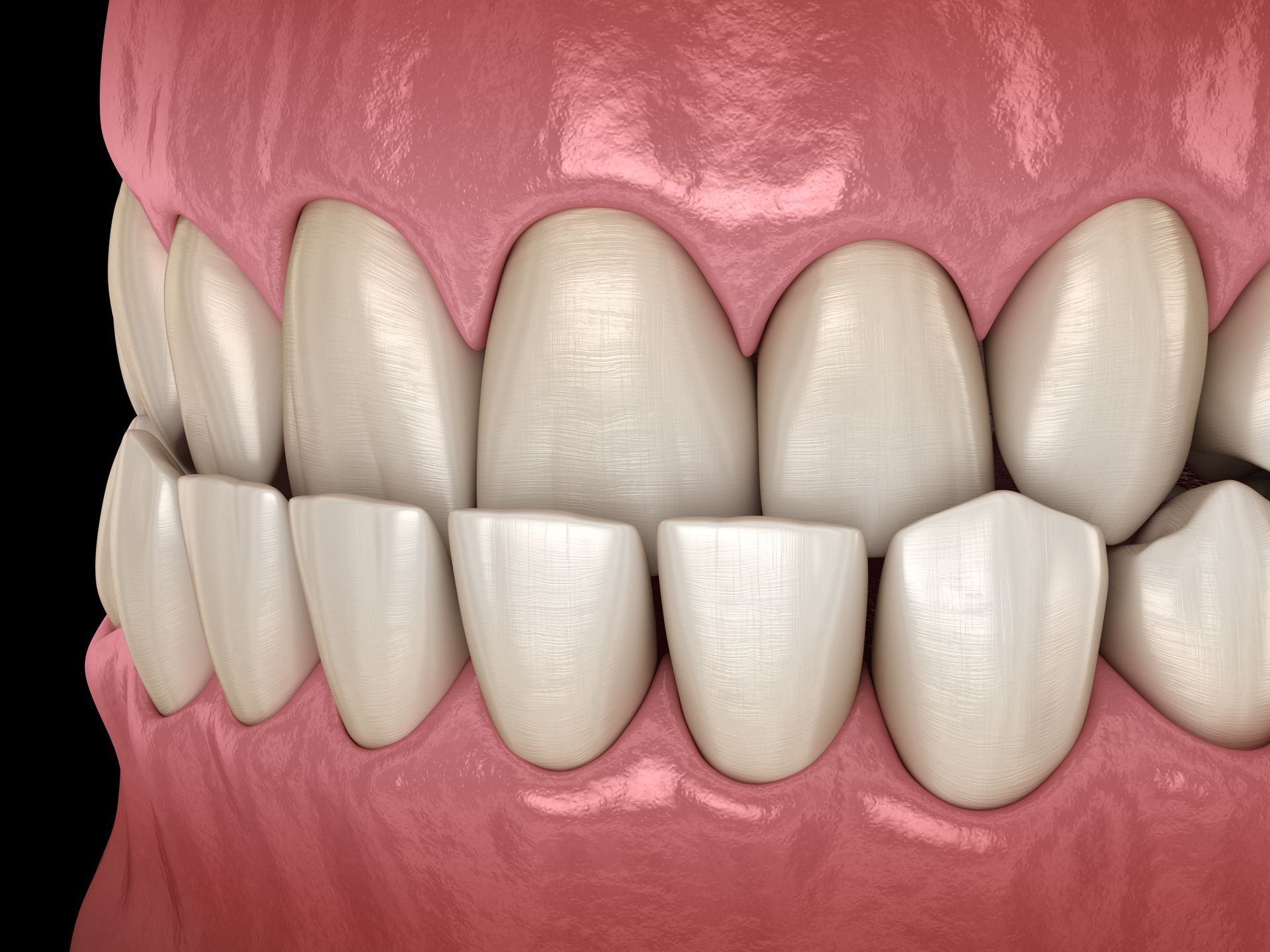
Anterior Open Bite
When a child sucks their thumb, the thumb rests between their front teeth. As permanent teeth come in, the consistent presence of the thumb can physically block the front teeth from erupting fully into their natural positions. When this occurs, a noticeable gap forms between a child’s upper and lower front teeth. This can make biting and chewing more difficult, impact speech development, and put added strain on the back molars. This is how finger sucking teeth problems most commonly show up.
Excessive Overjet or “Buck Teeth”
When the thumb is in the mouth, it often rests against the backside of the upper front teeth. Pair this with active suction, and there’s significant and consistent pressure being applied to the backside of the upper front teeth. Naturally, this force gradually tilts these teeth outward. At the same time, the part of the thumb that’s resting on the bottom teeth puts pressure on them in a way that forces them inward. Over time, this combination leads to a large horizontal gap between the front upper and lower teeth, giving the appearance of buck teeth. However, it’s not just an aesthetic concern. By having teeth that protrude like this, your teeth are more vulnerable to injury in the event of a fall or impact. This is one of the most common and recognized thumbsuck teeth patterns that orthodontists see.
Posterior Crossbite
While a child is sucking their thumb, their cheek muscles naturally squeeze inward against their upper arch. Simultaneously, the thumb prevents the tongue from resting on the top of the mouth, making it impossible for the tongue to counterbalance this inward pressure. Over time, the upper arch gradually narrows, which can cause some of the upper teeth to sit inside of the lower teeth, creating a crossbite. This imbalance, when left untreated, can lead to uneven jaw growth where the jaw shifts to one side.
Palate Narrowing
When the roof of a child’s mouth is developing, it’s highly malleable and more at risk of being altered by environmental factors. When a child sucks their thumb, they’re putting consistent upward force on the palate, which over time pushes the palate higher and causes it to narrow. A narrowed palate can then create issues like teeth crowding and restricted airflow. This is another example of how thumb sucking teeth damage goes beyond just teeth.
Tongue Thrust
The natural, healthy resting position for the tongue is on the roof of the mouth. When a child sucks their thumb however, the tongue naturally pushes forward to assist with creating suction. This action creates muscle memory which persists even after the thumb sucking habit is finished. So in this case, instead of a person’s tongue resting on the roof of their mouth, it thrusts forward and pushes up against the front teeth every time they swallow. This continued pressure can alter a person’s bite and prevent teeth from closing properly.
What Happens When You Suck Your Thumb as an Adult?
Thumb sucking in adults is much more common than people realize. It’s estimated that as many as 1 in 10 adults still suck their thumbs. What happens when you suck your thumb as an adult is, for the most part, the same as childhood. Sustained pressure ends up influencing things like tooth position and jaw alignment. The biggest difference is the treatment options available to adults. An adult’s mouth is less malleable, which means damage from thumbsucking can be harder to reverse and can require more complex treatment.
How to Stop Thumb Sucking
So, if you’re a parent of a thumbsucker over the age of 4 you’re probably wondering how to avoid thumb sucking.
Right off the bat, the biggest thing to know is that punishment and shaming don’t work and can actually make the habit worse because it increases the child’s anxiety, which is what drives the thumb sucking in the first place.
Here are some things to try that work well:
Identify Triggers
Most children will suck their thumbs when they are tired, stressed, or bored, and being able to identify when it happens and why will be a key part of you being able to redirect the behavior.
Positive Reinforcement
Rewarding your child for going without thumb sucking is a great way to build better habits. Using sticker charts, small prizes, extra privileges, or something else that they would be excited about can be a great way to motivate them.
Gentle Reminders
Since it’s become a habit, children will often be unaware they’re even doing it. Rather than scolding or acting frustrated, just give them a gentle and non-judgemental reminder.
Offer Alternatives
Try to find an object that can replace thumbsucking as a way of coping. For example you could try getting them a fidget toy, a stress ball, or a stuffed animal.
Physical Deterrents
A thumb sucking deterrent like a bitter tasting non-toxic nail polish, a thumb guard, or gloves on the hand at bedtime can help if the habit persists and nothing else is breaking the habit.
Involve the Orthodontist
If nothing is working, it’s worth bringing your child into an orthodontist. Sometimes hearing it from a professional will motivate a child. And if needed, an orthodontist can bring a habit appliance into the picture, such as a palatal crib, which physically prevents the thumb from resting in the mouth comfortably.
Can Thumb Sucking Damage Be Fixed?
The good news is that thumb suckers teeth problems are often quite treatable with orthodontics, especially when caught early.
In general, it’s important to catch orthodontic issues when a child is younger, because that allows less invasive methods to be used to guide growth. The longer the problem goes unaddressed, the more complex treatment can become. (Check out our article about why early evaluations matter!)
Every case is unique and requires different approaches, but these are some of the treatment options that are used to address thumb sucking teeth:
Palate Expanders: These are used when the upper arch has narrowed due to thumb sucking. The expander gently and gradually widens the arch and creates room for incoming teeth. It can also help correct a crossbite.
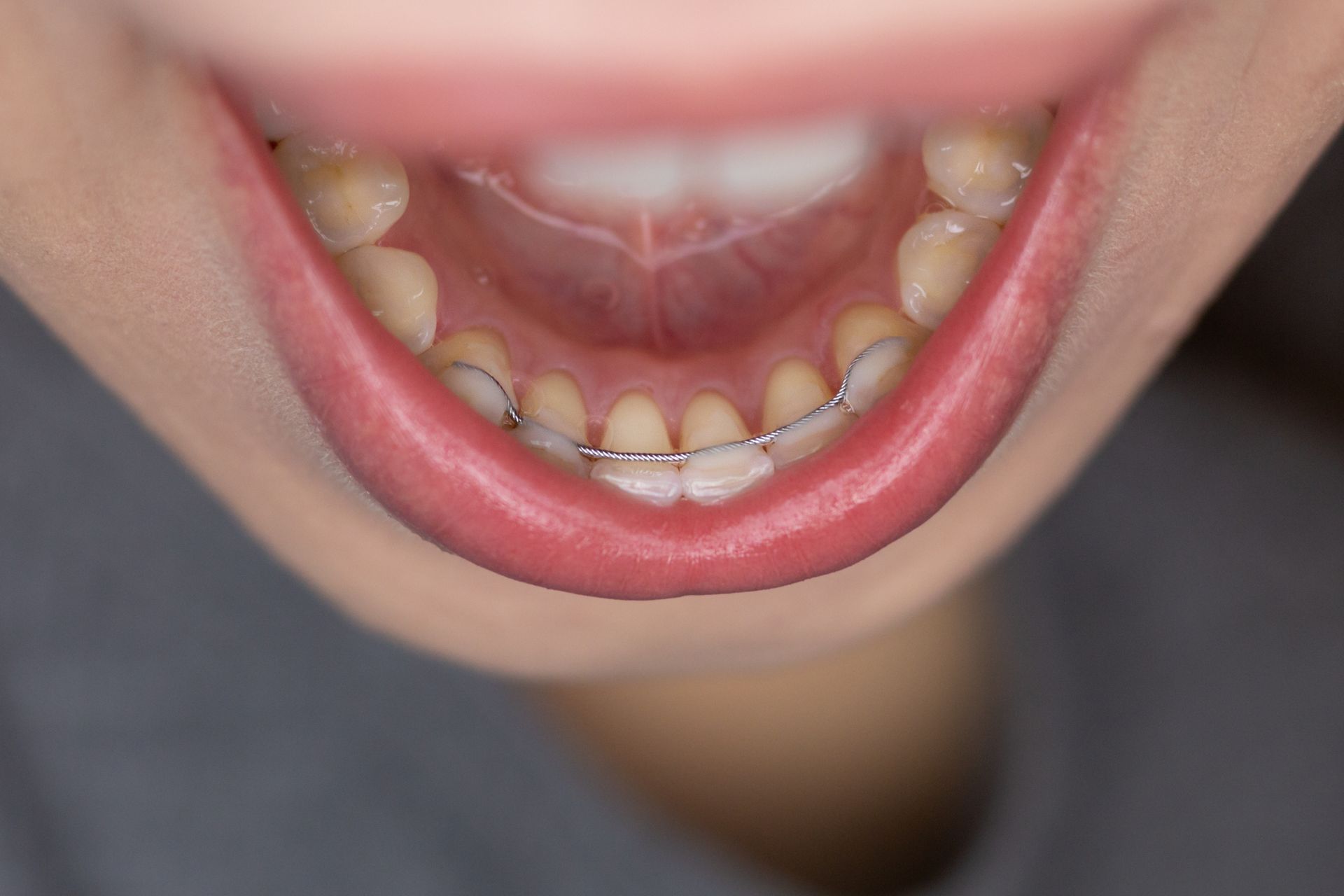
Habit Appliances: A palatal crib can be used when a child is struggling to break their thumb sucking habit. It’s a small metal appliance that is fixed to the upper teeth, preventing the thumb from making contact with the roof of the mouth. This ultimately eliminates the comforting sensation that drives the habit, and once the habit has been broken, braces or other treatment can be used to address the alignment issues caused by the habit.
Phase 1 Early Orthodontic Treatment: This phase takes place when a child has a mix of permanent and baby teeth, typically between the ages of 7 and 10. The goal of treatment during this time is to guide growth of a child’s jaw, bite and tooth spacing, while everything is still developing and is highly responsive to correction. This can simplify future treatments and eliminate more invasive care down the line.
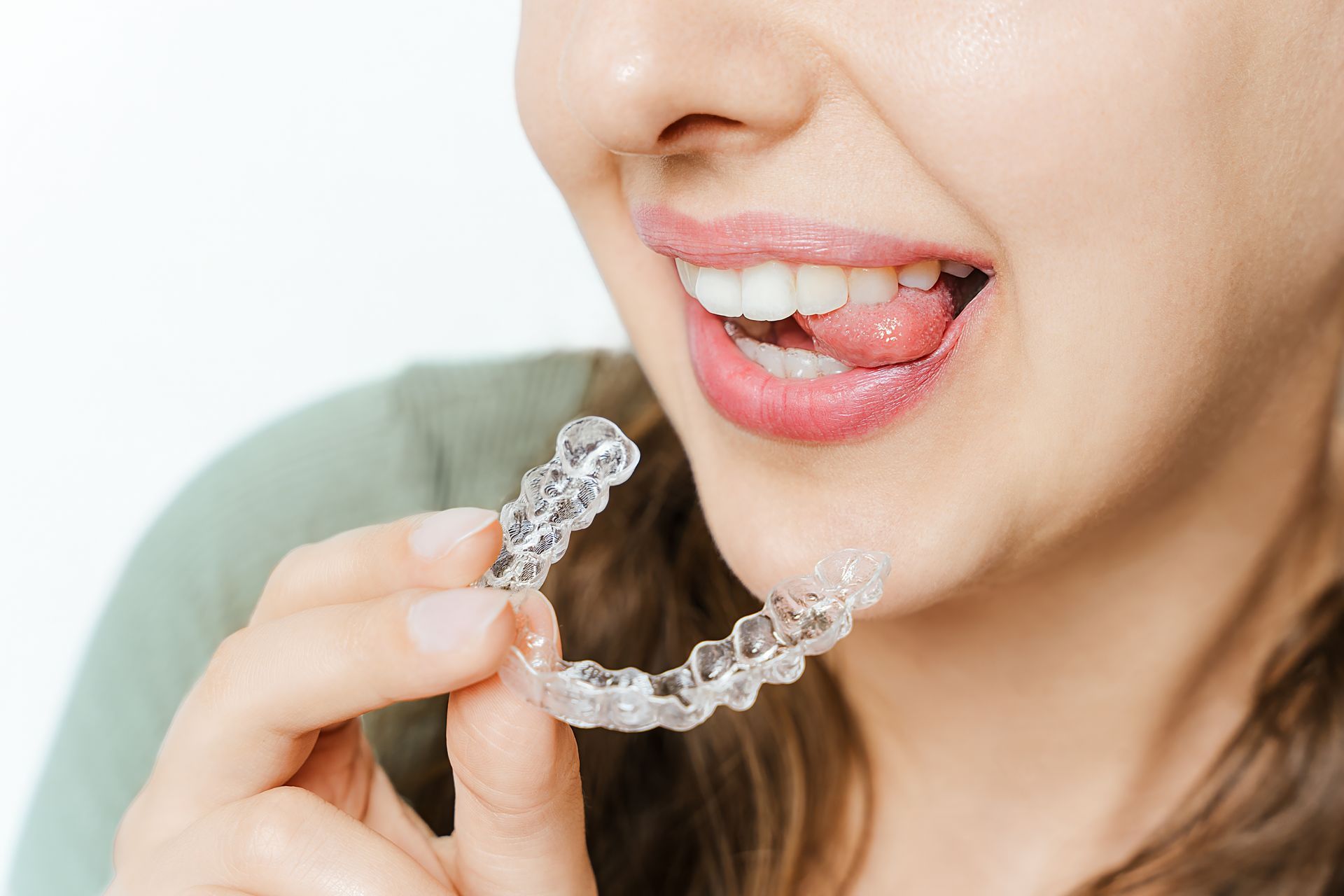
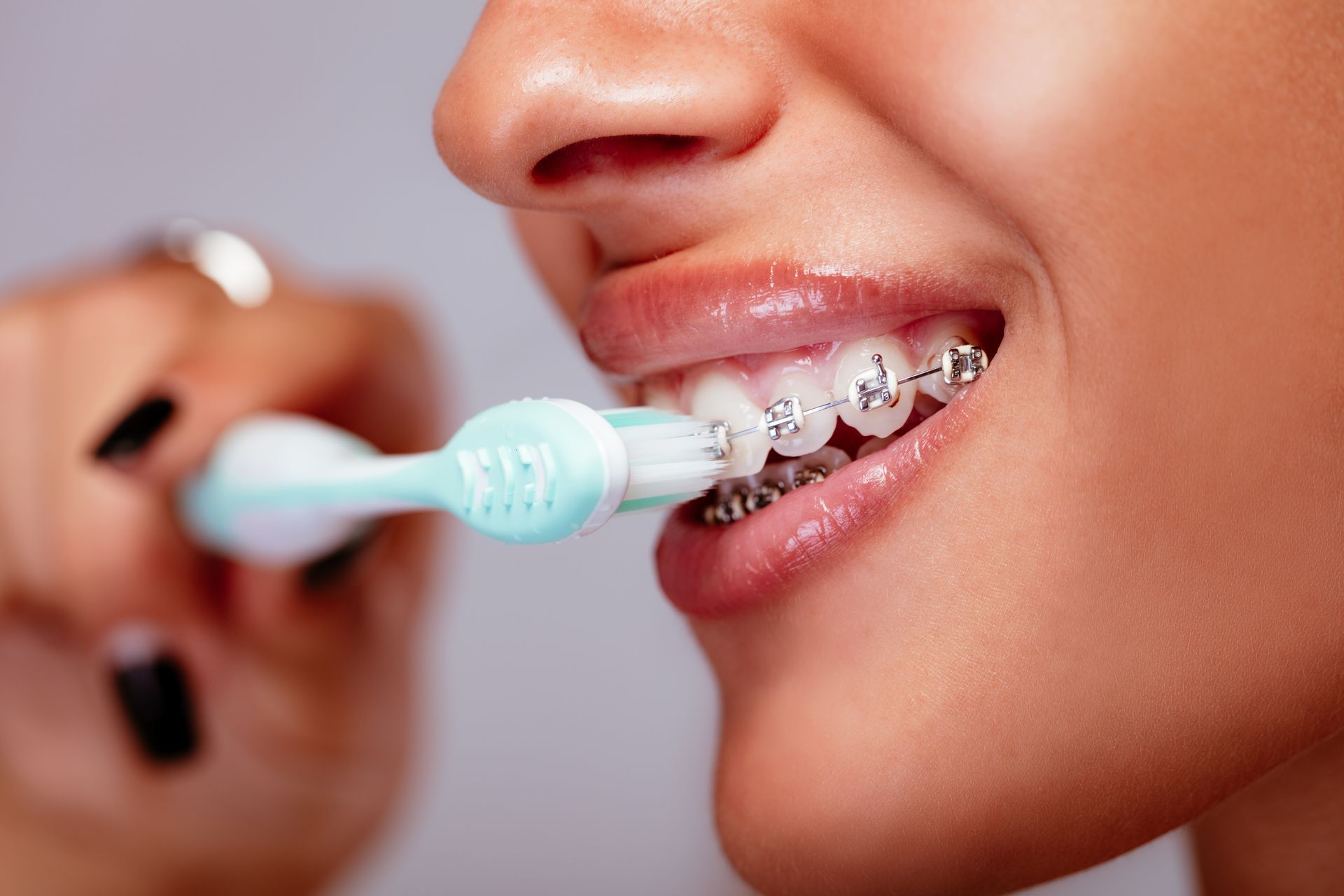
Traditional Braces or Clear Aligners:
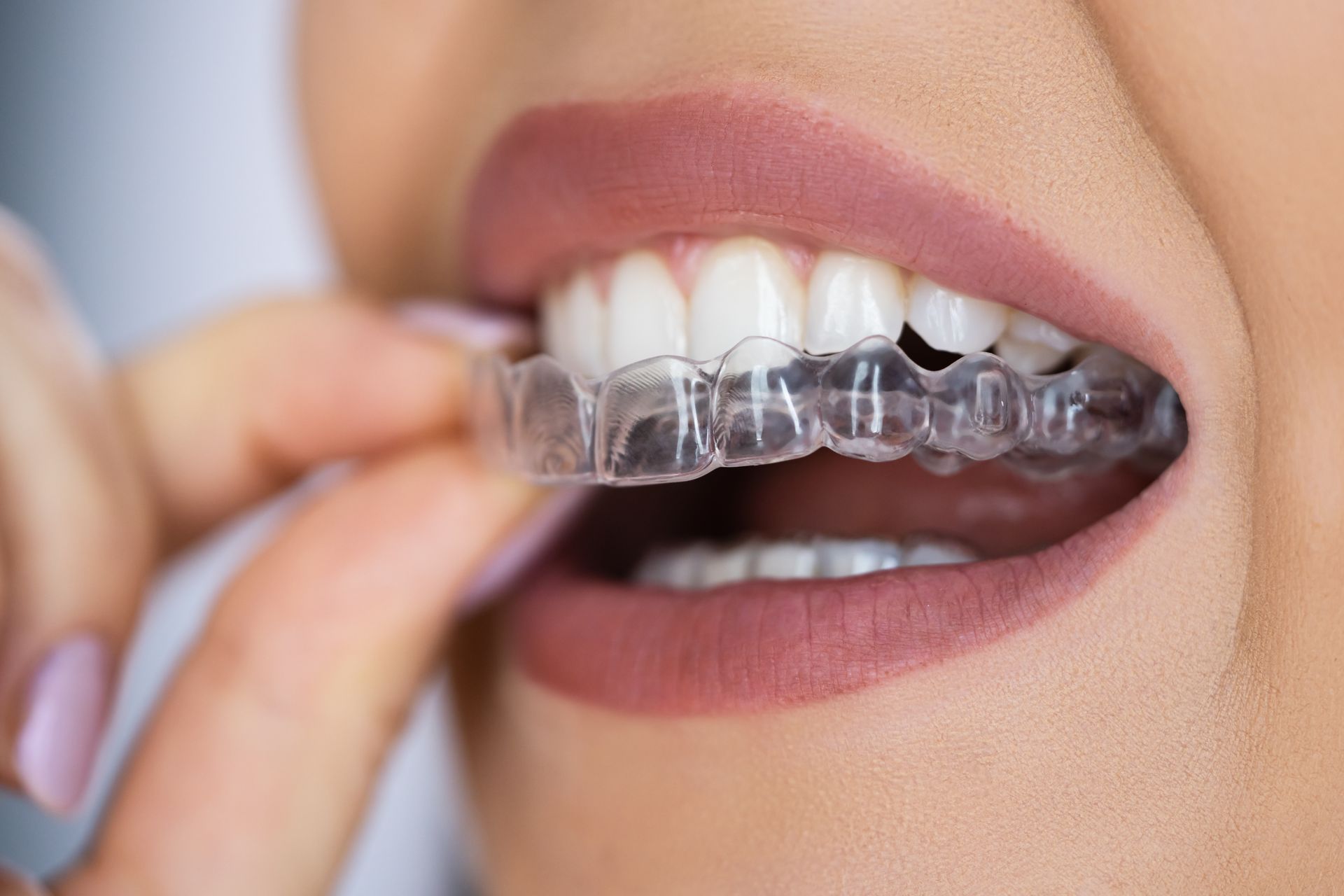
Later in childhood, when a child’s permanent teeth have come in, traditional braces or clear aligners are used to finalize alignment.
The effects of thumbsucking on teeth is often very correctable but the timing does matter, which is why it’s important to bring in your child as soon as you realize there’s an issue. Early evaluations allow there to be more treatment options available and keep the window open for less extensive and complex solutions.
When Should You Bring Your Child In?
If your child is still sucking their thumb past the age of 4, it’s worth having a conversation with an orthodontist. They can analyze their bite and teeth development, determining if thumb sucking teeth problems have started to take shape. What happens to teeth when you suck your thumb varies significantly from child to child, and a professional evaluation is the best way to know what’s happening and how to correct it.
If you’re in the Chandler or Tempe area and have questions about your child’s bite or thumb sucking habit, reach out to us at Blacker Orthodontics. We offer complimentary orthodontic consultations and early evaluations, so you can get real answers and ensure your child’s oral health is on the right track.