How to Clean Your Retainers | Board Certified Orthodontist Tips
Welcome to the finish line of your orthodontic treatment! Your prize? A beautiful and healthy smile, and your very own, that’s right you guessed it, retainer.
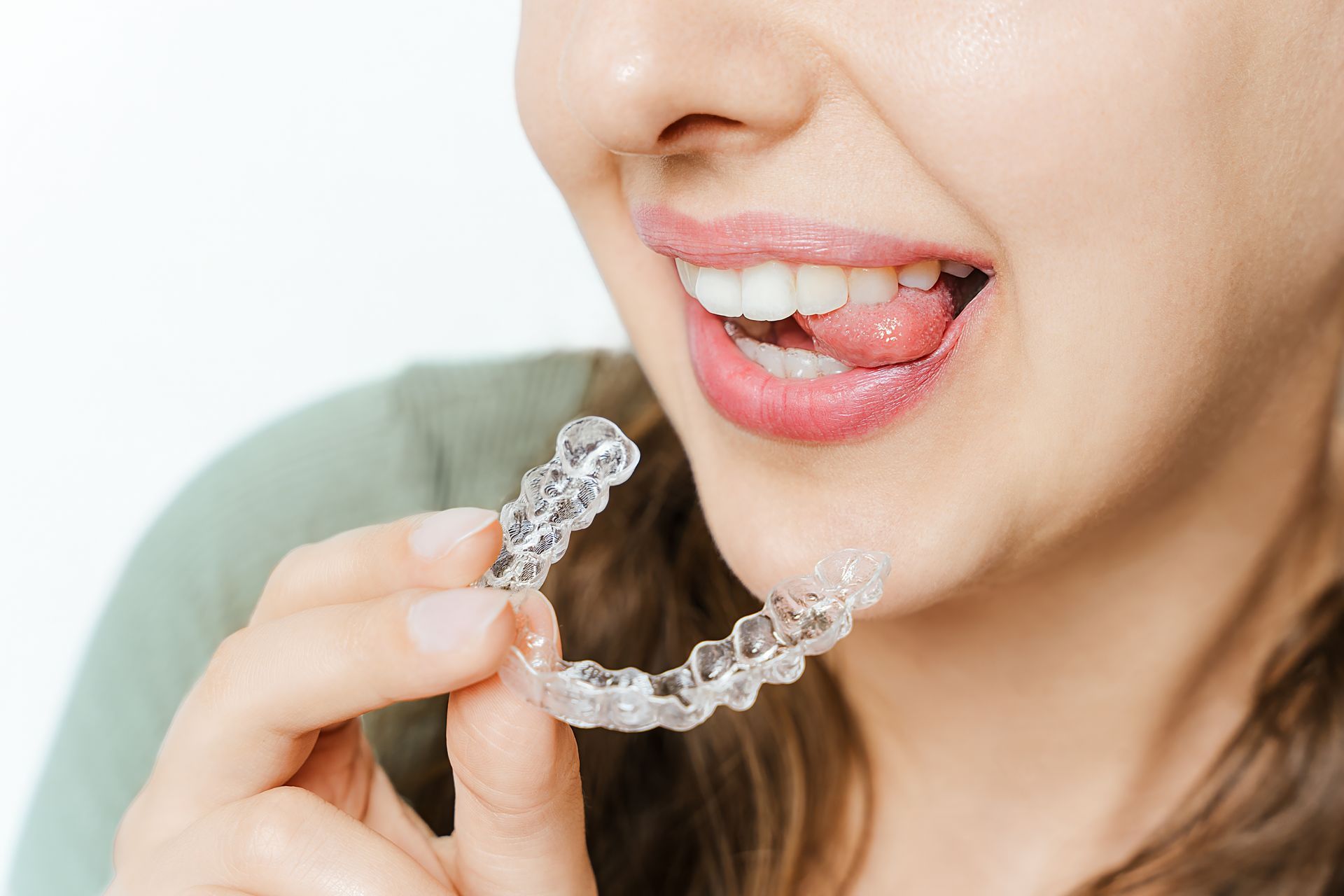
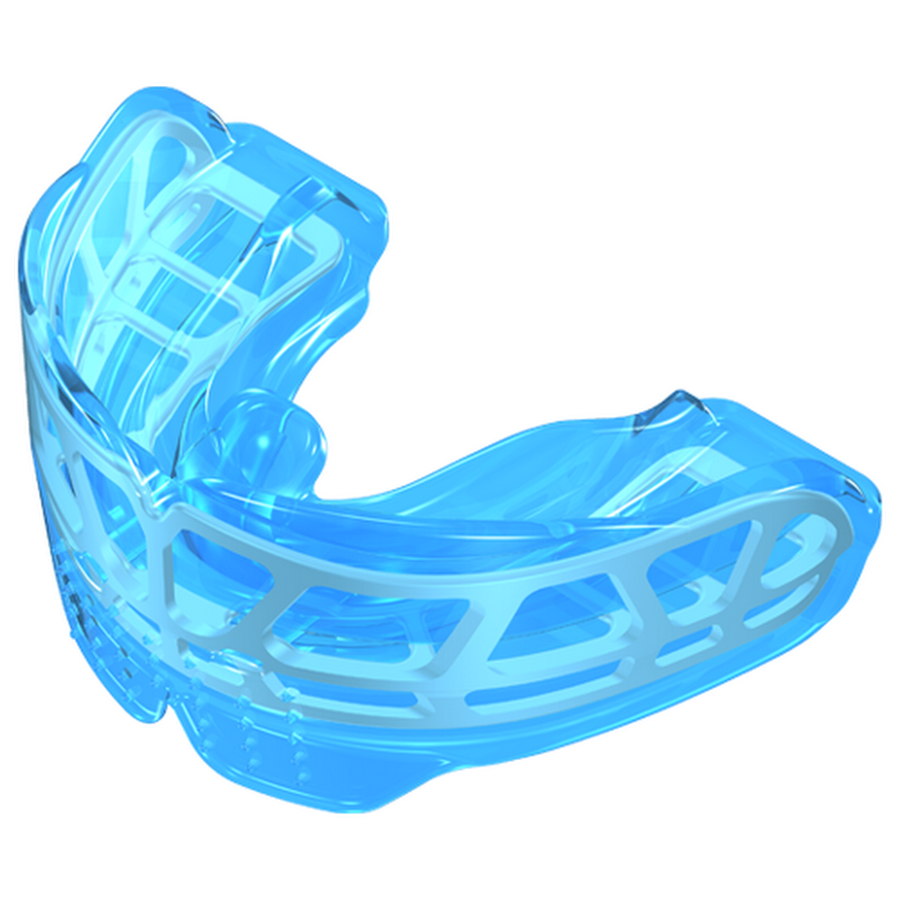
Regardless of the treatment method, whether it’s traditional braces or clear aligners like Invisalign, everyone gets a retainer as their final phase of orthodontic treatment. It’s an essential piece of the puzzle, keeping your teeth from shifting and making sure your result continues to look great for years to come.
Something all orthodontists stress regarding retainers is consistency. For a retainer to be effective it needs to be worn consistently, typically on a nightly basis. With consistent use, comes the need for consistent cleaning, which inevitably leads to the common question: how do you actually clean a retainer?
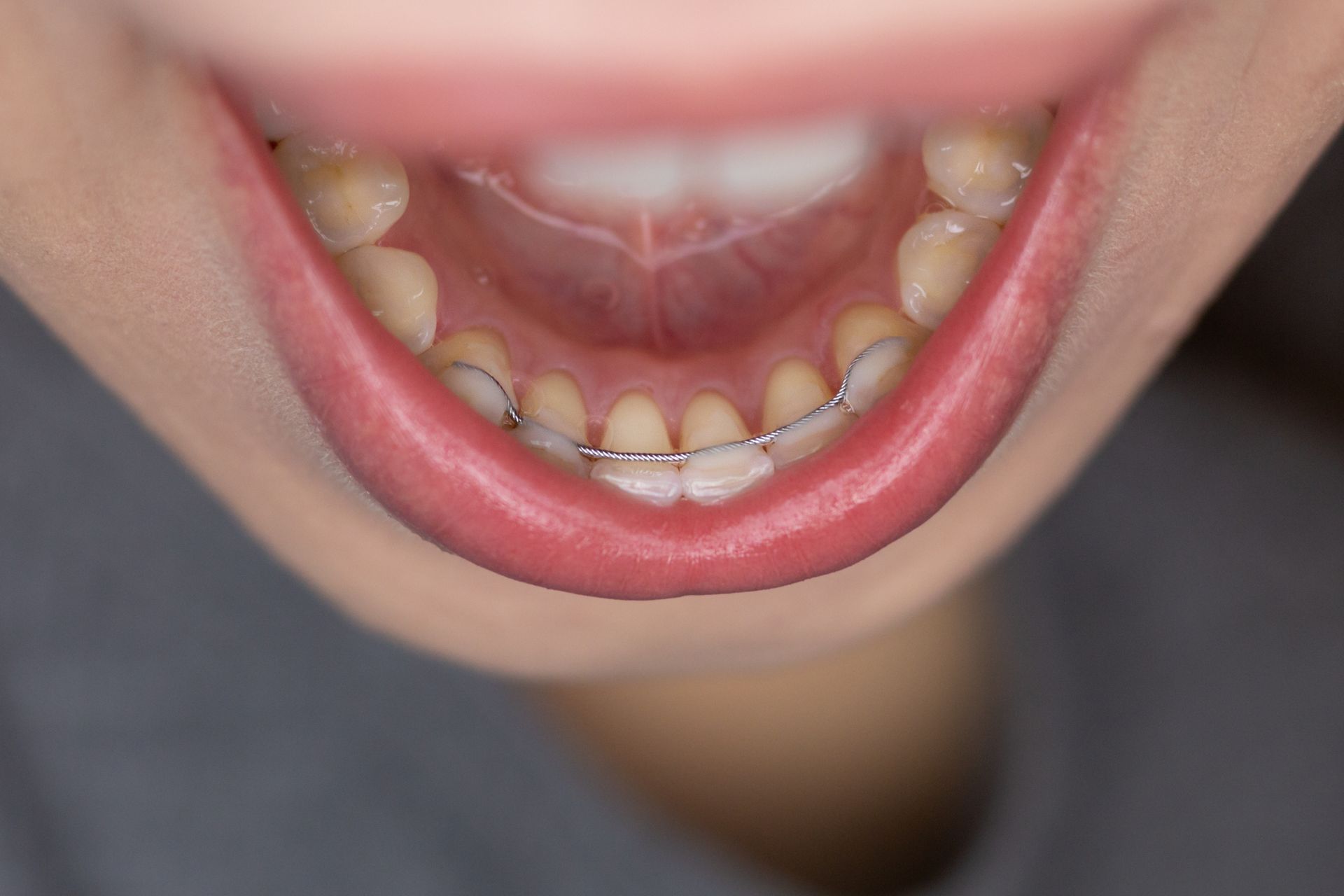
While permanent or fixed retainers are cleaned through brushing and flossing, removable retainers require a dedicated cleaning routine.
The mistake that many make is assuming that cleaning a retainer just entails a quick rinse with water every now and then. In reality, daily maintenance and a weekly deep clean is needed. After all, similar to how your teeth collect bacteria, plaque, and mineral deposits, your retainer does the same thing. Without proper cleaning, the retainer develops odor, discoloration, and buildup.
Figuring out how to clean retainers properly is an important step in keeping them fresh, clear, and safe to wear. Luckily, you’re in the right place to learn how to do just that, and the good news is, cleaning retainers is actually super simple and easy once you know what works best.
So, let’s get started and help you discover the best way to clean retainers!
Importance of Cleaning Your Retainers
Let’s begin by getting into why cleaning your retainer matters. Retainers are worn every day and sit on your teeth for hours at a time. This means they’re constantly exposed to saliva and oral bacteria. Even if the retainers look clean, invisible buildup forms, which over time can lead to odor, staining, and irritation along the gums.
Learning how to clean orthodontic retainers properly makes a big difference. By cleaning your retainers consistently and doing it the correct way, you can ensure that your retainers remain fresh and comfortable. And let’s be honest, no one wants to put dirty retainers on freshly brushed teeth.
Daily Retainer Cleaning
So what’s the secret to starting? The secret is there is no secret. The simplest approach to how to clean retainers at home is building a small daily habit. Do you brush your teeth every day? Exactly, and that’s not so hard. So now you’re just building another habit alongside that, and this one’s even easier.
Each time you remove your retainer it’s important to rinse it with lukewarm water (not hot, just lukewarm!). This washes away the saliva and debris before it has a chance to harden onto the surface of the retainers. By doing a quick rinse, you’re preventing buildup and maintaining a clean teeth retainer.
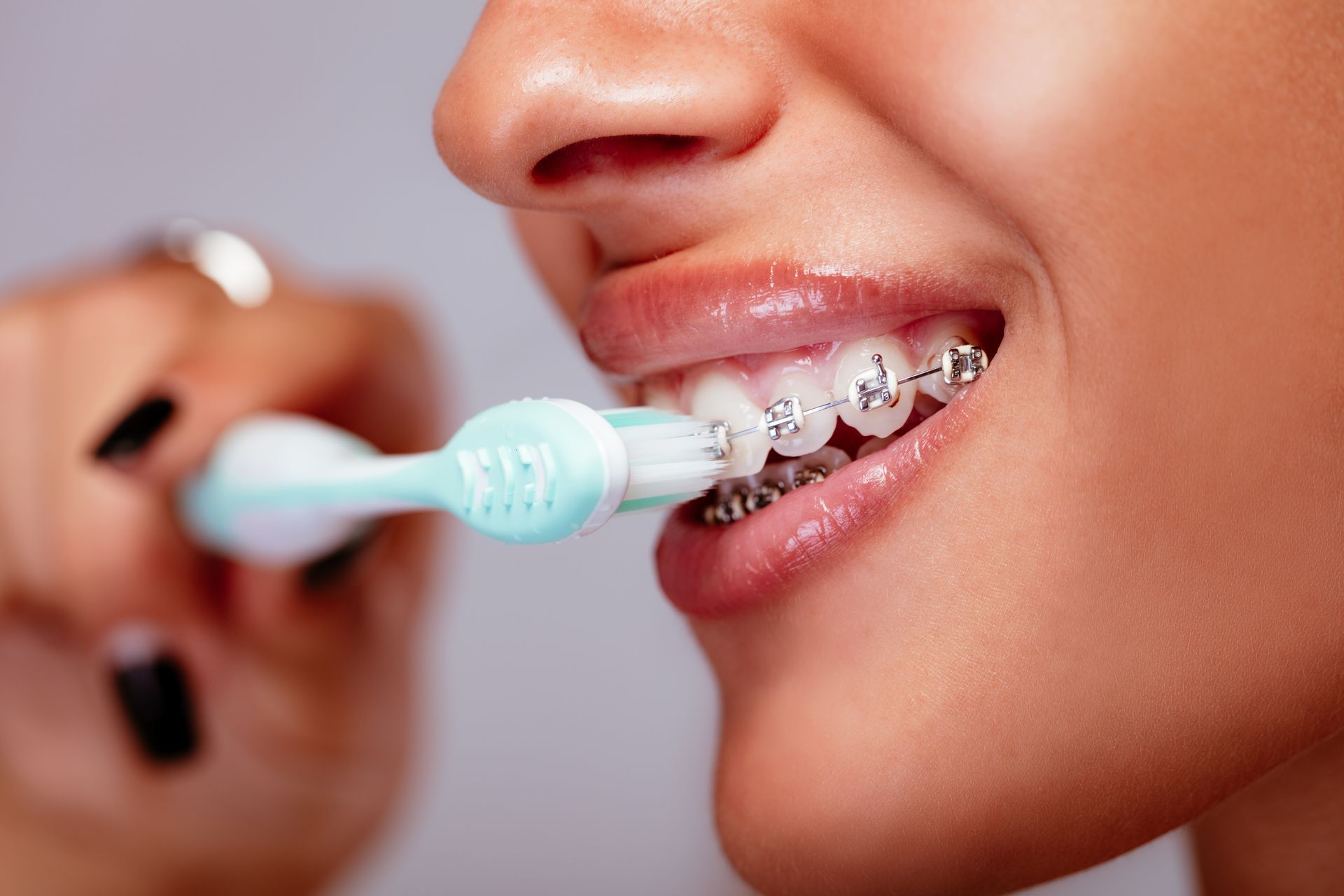
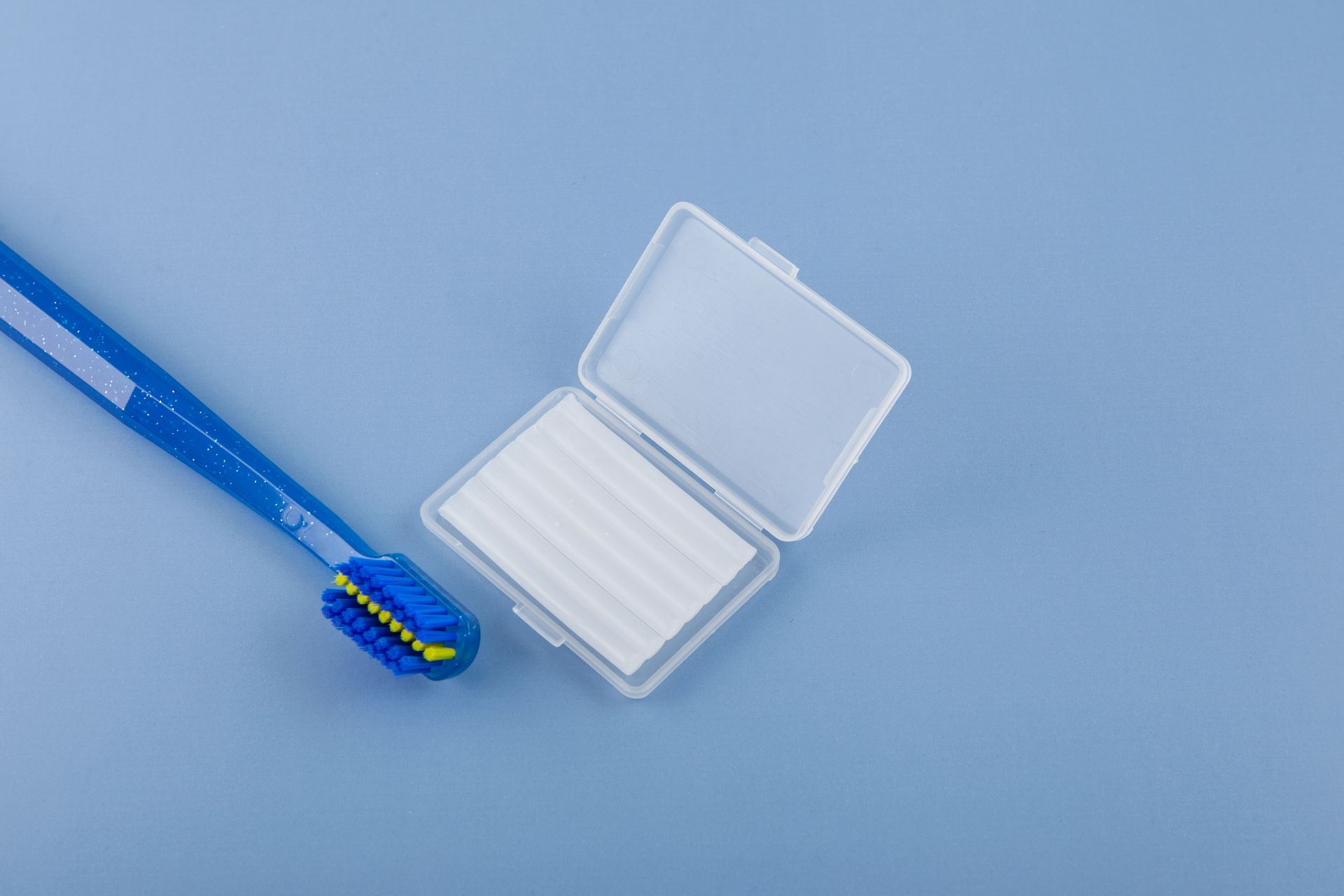
It’s also recommended that you brush your retainer daily using a soft bristled toothbrush that’s dedicated solely for retainer maintenance. When it comes to how to brush retainer appliances, gentle cleaning is the key. You might think that toothpaste would give your retainer the best clean. But in reality, most toothpastes contain mild abrasives that are designed to polish your enamel. Good for teeth, bad for the plastic of a retainer. Instead of toothpaste, your soft bristled toothbrush should be paired with a mild soap.
The reason gentle care is key is because if you make tiny scratches in the plastic, you’re creating spots for bacteria to accumulate, which eventually leads to odor and cloudiness. This is why sticking to soap and water is what orthodontists will typically recommend when it comes to determining how to wash retainers safely.
Being consistent with your daily routine is a critical part of making sure your retainers stay clean.
Deep Cleaning Your Retainer
Alright, so now you know how to clean dental retainers with daily maintenance, but what about a deep clean? Knowing how to deep clean retainer appliances is a key piece of knowledge for keeping your retainers clean.
Deep cleaning is easier than it sounds. It really just involves soaking your retainers about once per week in a retainer-cleaning solution, and most cleaning tablets or solutions only require about 10-20 minutes of soak time in order to work effectively.
After your retainer is done soaking, gently brushing the retainers, followed by a rinse is generally good practice before putting them back in your mouth.
Many patients ask questions about how to sanitize retainer appliances or how to disinfect retainer materials. Usually the simplest option is using a retainer-cleaning tablet or a denture-cleaning tablet, which you can find at most pharmacies, grocery stores, or online. They’re a great option because they’re designed to remove bacteria without damaging the materials of the retainer.
You may have also heard of ultrasonic retainer cleaners. These can certainly be helpful for deep cleaning, as they use small vibrations in the water to break up stubborn buildup. That said, they’re optional. A simple routine of daily rinsing and brushing along with a weekly soak is usually enough to keep retainers clean.
One important note: more isn’t always better. Leaving retainers in cleaning solutions for longer than what’s recommended or soaking them too frequently, can weaken the materials of your retainers over time. This is why a 10-20 minute soak per week paired with daily brushing is considered to be the best way to clean retainers.
Cleaning Clear and Plastic Retainers
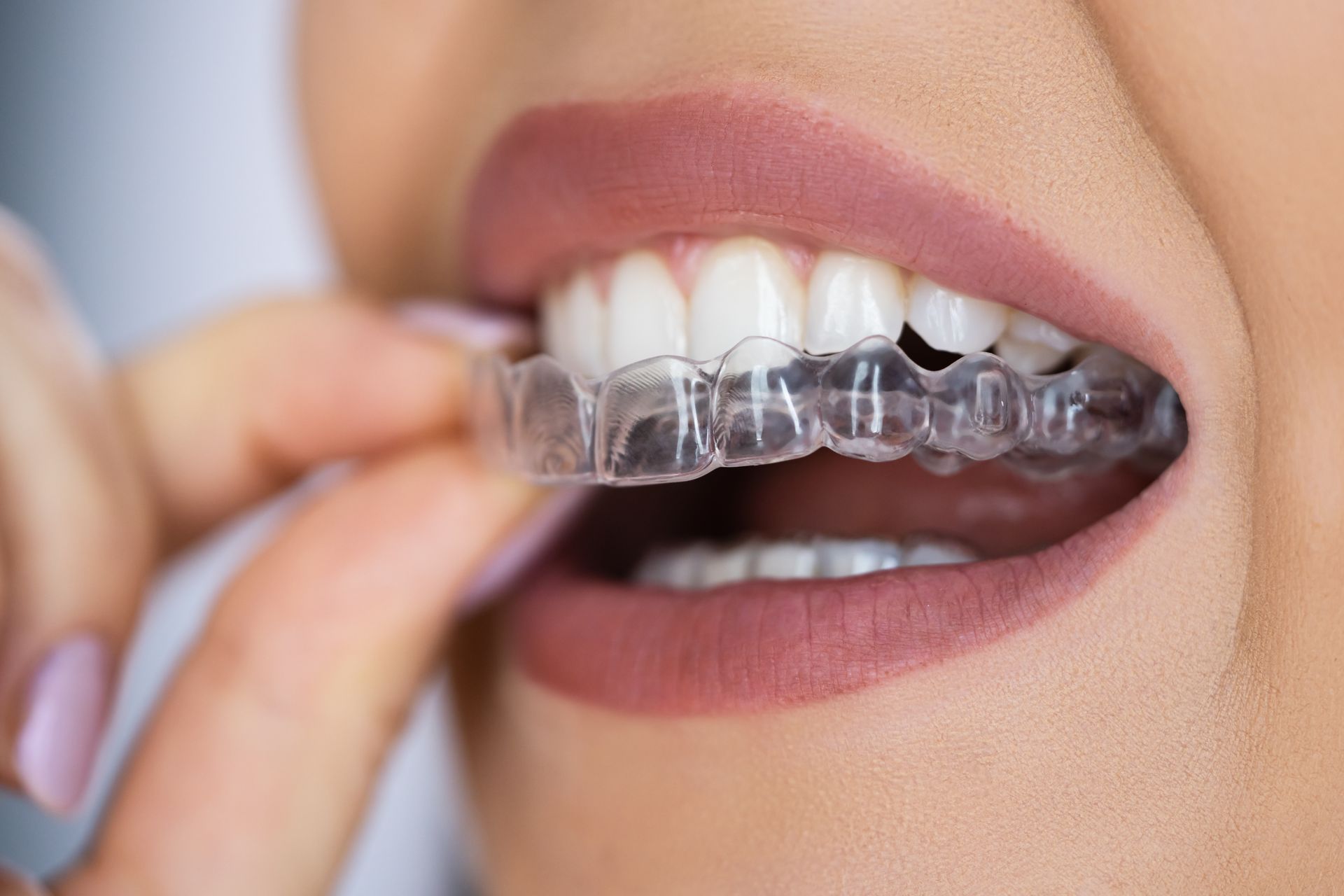
Most retainers today are made from clear plastic materials. This is why questions about how to clean plastic retainers and how to clean clear retainers are so common.
One of the most important things to remember when cleaning a clear retainer is to not use hot water. Plastic retainers are molded precisely to the contours of your teeth and hot water can soften the plastic, causing the retainer to warp. Even slight, imperceptible changes to the shape of your retainer can have big effects on how well your retainer holds your teeth in position. So that being said, lukewarm water is your friend.
As we mentioned earlier, it’s also important to use a soft bristle toothbrush and avoid using toothpastes on them since toothpastes contain mild abrasives.
Knowing how to clean plastic dental retainers properly is the best way to preserve their clarity and fit. Gentle cleaning methods and using lukewarm water are the best ways to protect your clear retainers.
Natural and DIY Retainer Cleaning Methods
Some people prefer using homemade retainer cleaner or diy retainer cleaner instead of commercial products. In many cases, and with the right approach, simple household solutions can be safely used.
For everyday cleaning, mild soap and water are the best option. For occasional deeper cleaning, baking soda or diluted vinegar can act as a good natural retainer cleaner, removing buildup.
However, these methods should be used carefully. For example, many people are interested in soaking retainers in vinegar, and a short soak in diluted white vinegar is a great way to dissolve mineral deposits that form on plastic retainers. However, frequent exposure in an acidic solution like this can degrade the retainer material over time.
As with all retainer cleaning, the key to diy retainer cleaning is consistency and gentleness rather than aggressive cleaning.
Common Retainer Cleaning Mistakes
We’ve touched on a lot of these already, but let’s get a nice and tidy list of mistakes to avoid when cleaning retainers:
Using hot water: Heat can warp plastic and affect the fit.
Scrubbing with toothpaste: The abrasives in toothpaste can scratch plastic creating micro-grooves that trap bacteria.
Skipping daily cleaning: Even skipping cleaning a couple of days in a row can open a window for buildup.
Over-soaking: Extended or frequent soaking can weaken materials over time.
Using harsh chemicals: Bleach or alcohol-based cleaners can damage the materials of the retainer and irritate your mouth.
When to Consult An Orthodontist
If your retainer has developed a persistent odor, is discolored from visible buildup, or has cracks in the material, it’s time to see an orthodontist. And the truth of the matter is that even if you take perfect care of your retainer, there’s going to be a point in time when you need a replacement. Retainers naturally wear down and an occasional replacement is just a normal part of long-term orthodontic care.
That being said, knowing how to clean retainers at home properly is an important part of having a retainer and protecting your oral health.
At Blacker Orthodontics, we know that retainers come with questions, so whether you found us by searching for “orthodontist near me”, or by searching something more specific like orthodontist Tempe or orthodontist Chandler, we are here to help. We have a long history of making retainer care feel straightforward, so if you’re looking for the best orthodontist in Phoenix to help with retainer care or any other orthodontic needs, our team is happy to help!