Correct Tongue Posture: What It Is, Why It Matters, and the Truth About Mewing
Have you ever stopped and thought about where your tongue sits while at rest? If you haven’t, you’re not alone. Most people don’t think twice about the position of their tongue.
However, that small detail can have a surprisingly big influence on how the teeth, jaw, and airway develop, especially in kids.
Over the past several years, a term related to tongue posture had a viral moment when “mewing” took over social media, but the term quickly became a breeding ground for misinformation and claims with no scientific backing.
In this article, we’ll break down all of the things that are true when it comes to proper tongue posture, while shedding light on some of the unsubstantiated claims around mewing.
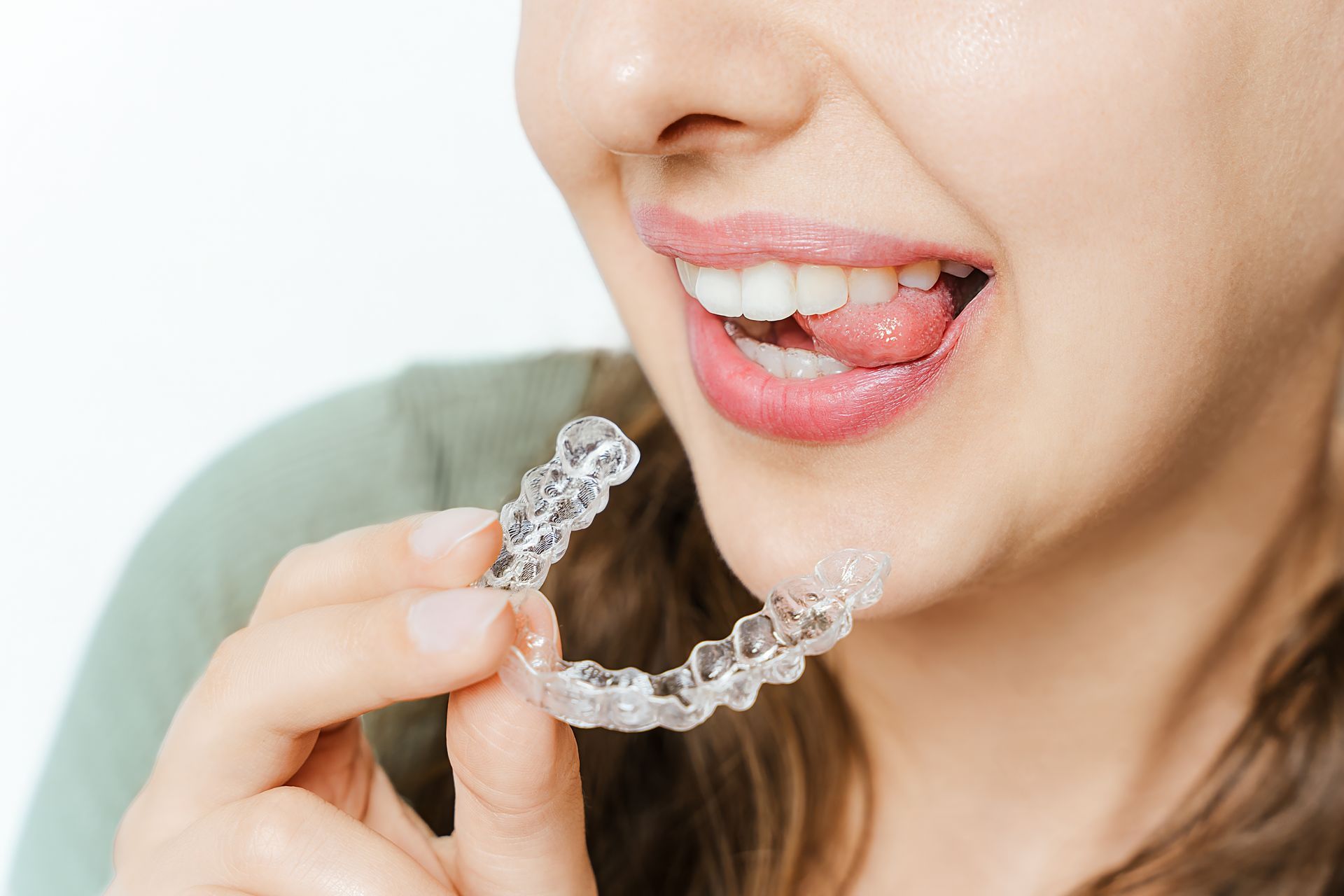
What Is Proper Tongue Posture?
Proper tongue posture or correct oral posture simply refers to the healthy resting position of the tongue, where the entire tongue rests gently against the roof of the mouth, with the tip of the tongue sitting just behind the upper front teeth. It’s important that the tongue isn’t actually pressing against the teeth. The lips then stay lightly sealed, with the teeth resting slightly apart, and breathing happening through the nose.
This is what good tongue posture looks like, where the full tongue is suctioned lightly to the roof of the mouth, spreading the full width of the palate.
Where Should Your Tongue Rest and Why?
Your tongue should rest fully against the roof of your mouth; the tip of your tongue sitting just behind your upper front teeth, the middle and back part of your tongue suctioned up and spread across the palate, your lips lightly sealed, and your jaw slightly relaxed. This is the correct tongue resting position and matters both when you’re awake and asleep.
The reason it matters is because when your tongue is at rest it’s producing a constant, light force on the environment around it. This consistent force adds up over time and depending on where your tongue is positioned, can help or hurt the growth of your teeth, face, and jaws.
Since these forces don’t stop when you sleep, your sleeping tongue posture matters just as much as good daytime tongue posture at rest.
Proper tongue placement and nasal breathing also go hand in hand, because when your tongue is against the roof of your mouth, and your lips are sealed, you naturally breathe through the nose. Nasal breathing is healthier than mouth breathing as air is able to be filtered, warmed, and humidified before it reaches the lungs. When your tongue position drops, your mouth opens, and the nasal breathing system breaks down. Mouth breathing and a low tongue posture often reinforce one another over time.
It’s worth mentioning that while correct tongue posture is most critical during the developmental stages of childhood, it’s still relevant for adults. While correcting low tongue posture as an adult won’t reshape skeletal structures like early intervention in children might, it can still be important for improving breathing, sleep quality, and jaw comfort.
Signs of Poor or Low Tongue Posture
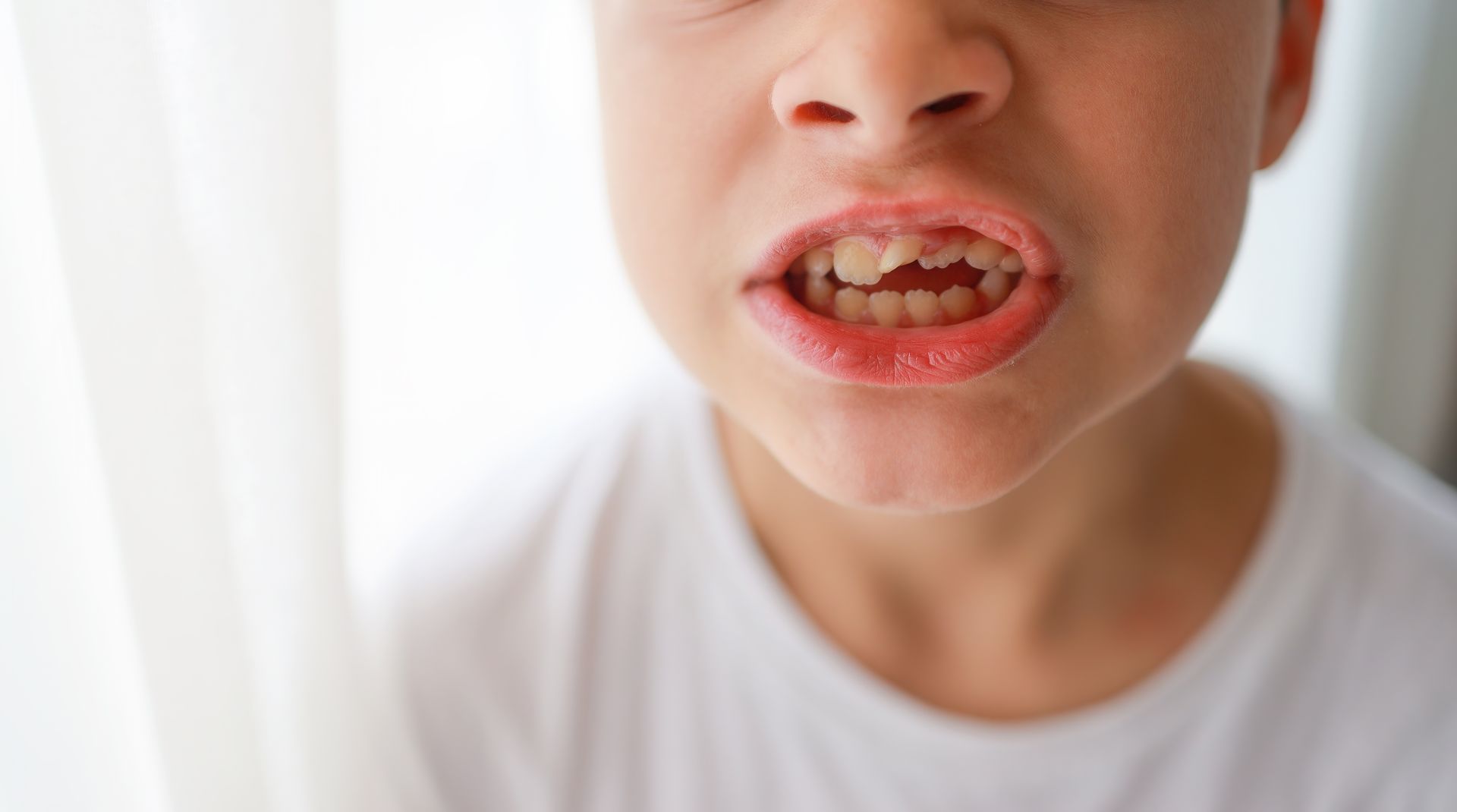
Low tongue posture is more common than many people realize, and it doesn’t usually develop on its own. Low tongue posture is often a result of mouth breathing, a sucking habit, or a tongue tie. These types of issues can gradually train the tongue to rest in a position that’s improper.
So how do you know if tongue posture might be an issue?
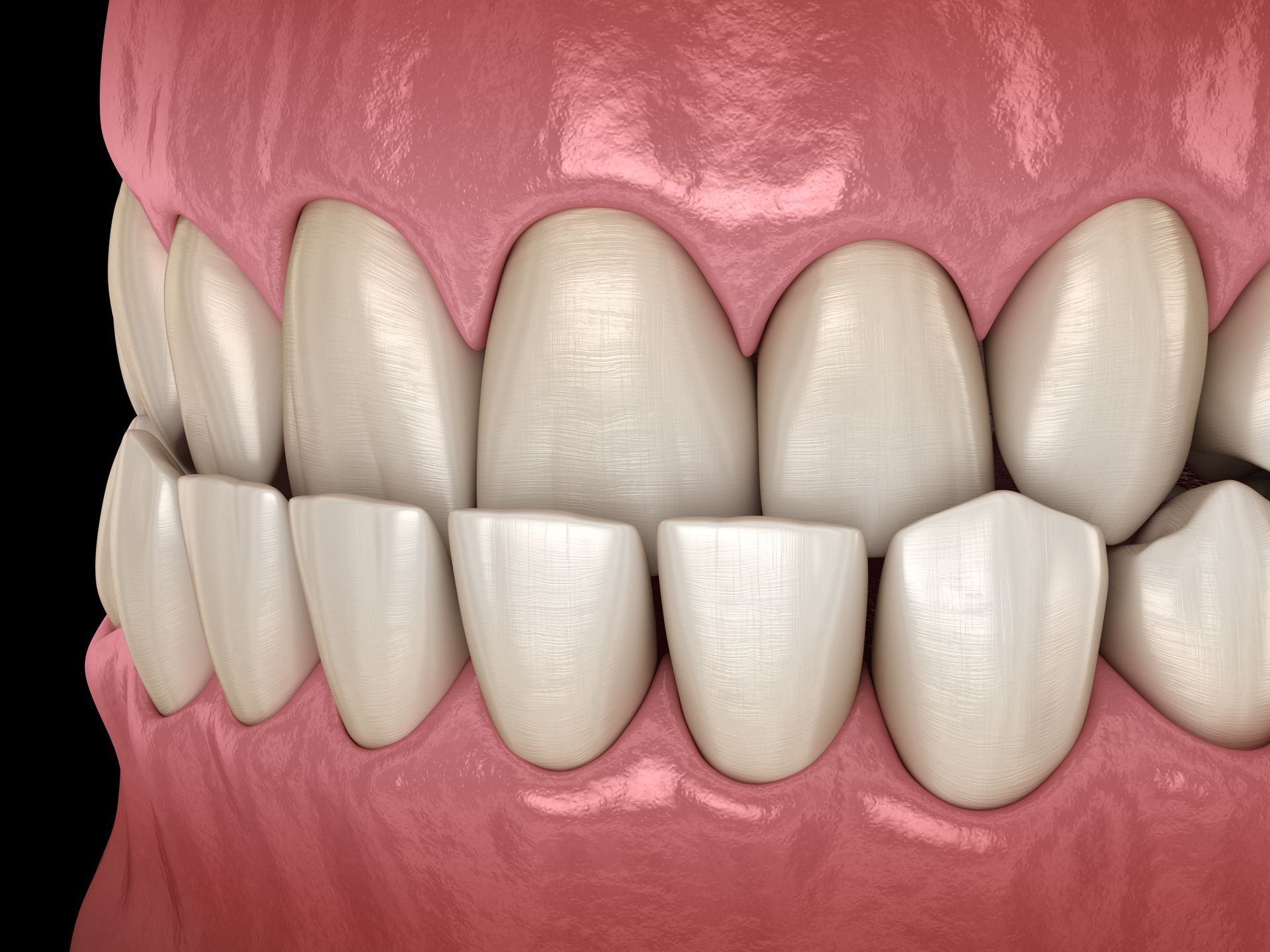
The most common signs that there’s a potential problem with one’s tongue posture include mouth breathing, dental crowding, speech difficulties, sleep disturbances, and visible scalloping or indentations along the edges of the tongue.
It’s especially important to pay attention to these signs in children, because if low tongue posture is left unaddressed it can contribute to the development of jaw and bite misalignments.
What is Mewing?
Mewing is a technique that involves pressing and holding your tongue on the roof of your mouth throughout the day with the goal of reshaping your jaw and facial structure. The name comes from an orthodontist by the name of John Mew, who developed a philosophy called orthotropics, alongside his son Mike Mew, also an orthodontist, who helped popularize it online. In 2017, John had his dental license revoked for misconduct and in 2024, Mike also had his dental license revoked for an unrelated malpractice ruling.
The term “mewing” wasn’t actually coined by the Mews themselves, but rather their online following who took their orthotropics teachings and spun them into a viral DIY jawline trend.
What Does Mewing Do?
It’s important to understand the difference between mewing and simply practicing correct tongue posture. While correct tongue posture involves simply having the tongue rest gently on the roof of the mouth, mewing involves actively and intentionally exerting an upward force to the roof of the mouth with the intention of reshaping the jaw, widening the palate and producing a more defined facial structure.
Is Mewing Real? Does It Actually Work?
The underlying concept that tongue posture influences the development of jaw and facial structures is absolutely true and supported by clinical research. However, mewing has taken these principles and spun them into a DIY aesthetic trend with promises of results that have no scientific backing. The development of facial structure is a complex process that is shaped by a combination of genetics, bone growth, and muscle development. Mewing doesn't have the power to correct misaligned teeth or reshape the jawline. Most of the dramatic mewing results you see online are either anecdotal or are the faces of teenagers that are changing naturally due to puberty.
Does Mewing Work For Adults?
Mewing doesn’t work in the way that it’s often described. When you reach adulthood your skeletal structure is pretty much set, and mewing won’t be able to remodel the bones in your face.
Can Mewing Fix An Overbite?
No, mewing isn’t able to fix an overbite, due to the fact that an overbite is a skeletal and dental alignment issue that requires a professional evaluation and treatment. You should never try to move teeth or align your jaws by yourself, as you can cause irreversible damage.
Is Mewing Safe?
When your tongue is gently and passively resting on the roof of your mouth, you’re exercising correct tongue posture, which is encouraged. However, if you’re actively pressing your tongue up into the roof of your mouth, you could be gradually causing harm to your oral health. This is because the tongue could be pushing forward or asymmetrically against your front teeth, moving them out of position, and in effect, either creating gaps or worsening crowding. Mewing could also contribute to jaw discomfort or TMJ issues. Simply put, you shouldn't use mewing as a DIY orthodontic fix.
When You Should See An Orthodontist
If you have any concerns about your jaw structure, facial structure, teeth alignment, or tongue posture, you should set up a consultation with an orthodontist. An orthodontist will be able to do a thorough evaluation of your teeth, bite, and jaw, delivering a holistic analysis of what’s going on, and giving you proper advice on the best path forward.
At Blacker Orthodontics in Chandler and Tempe, Arizona, we make sure we evaluate your oral development as a whole, taking into consideration all factors including tongue posture. Schedule a consultation today and we’ll get your oral health headed in the right direction.