The Benefits of Permanent Retainers
It’s been a long journey, but here we are. You’re done with your braces or aligners and you can’t stop smiling. Congrats!
Now, after all of that hard work, you might be wondering what do you get after braces to keep your teeth from shifting? A retainer, of course!
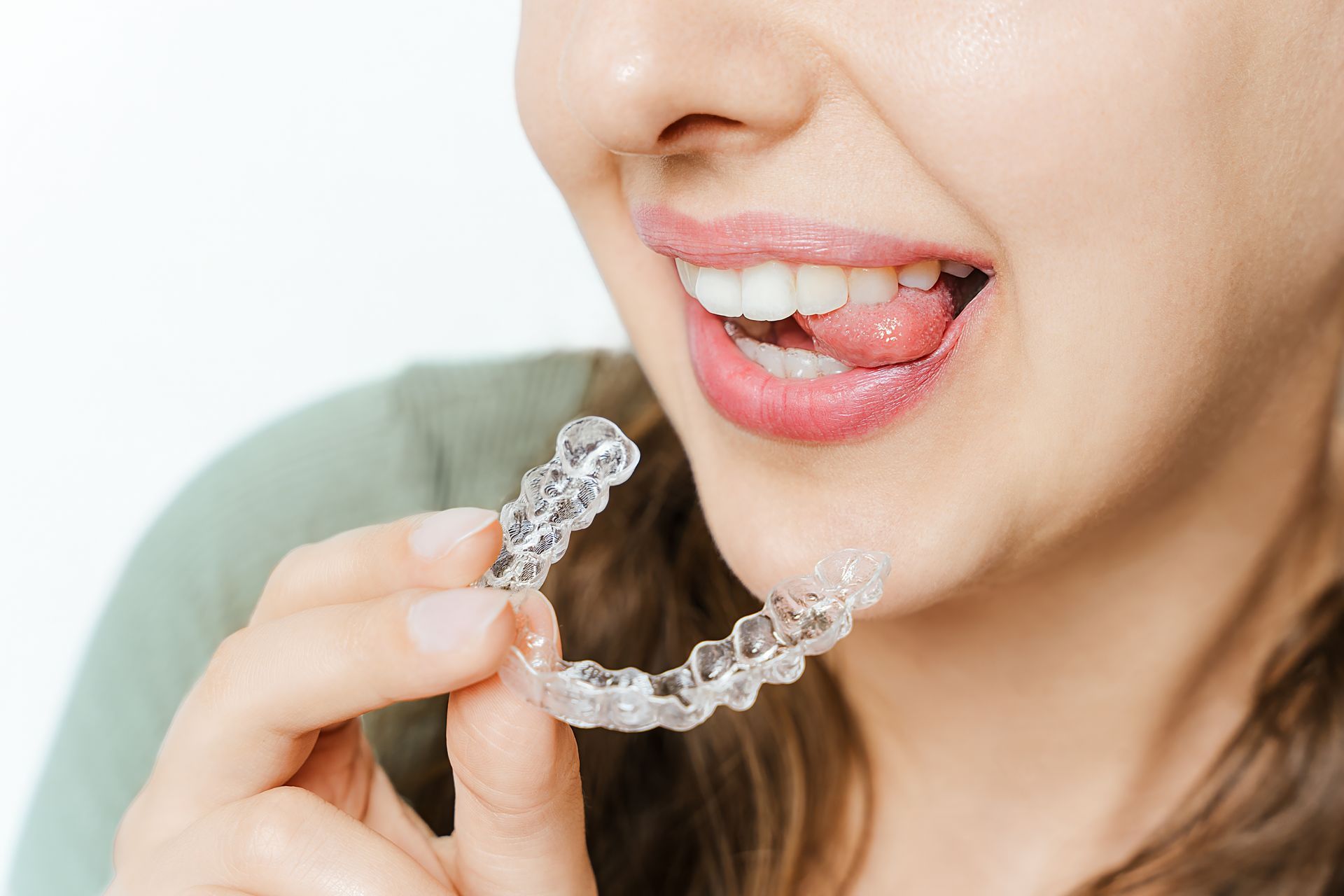
When most people hear the word “retainer,” an image of a colorful piece of plastic with wires comes to mind. But what if there was a different type of retainer that you never had to remember to pop in and take out? Well, good news there is!
It’s called a permanent retainer and in this article we’re going to walk through the benefits of a permanent retainer, giving you some clarity on which retainer is best after braces.
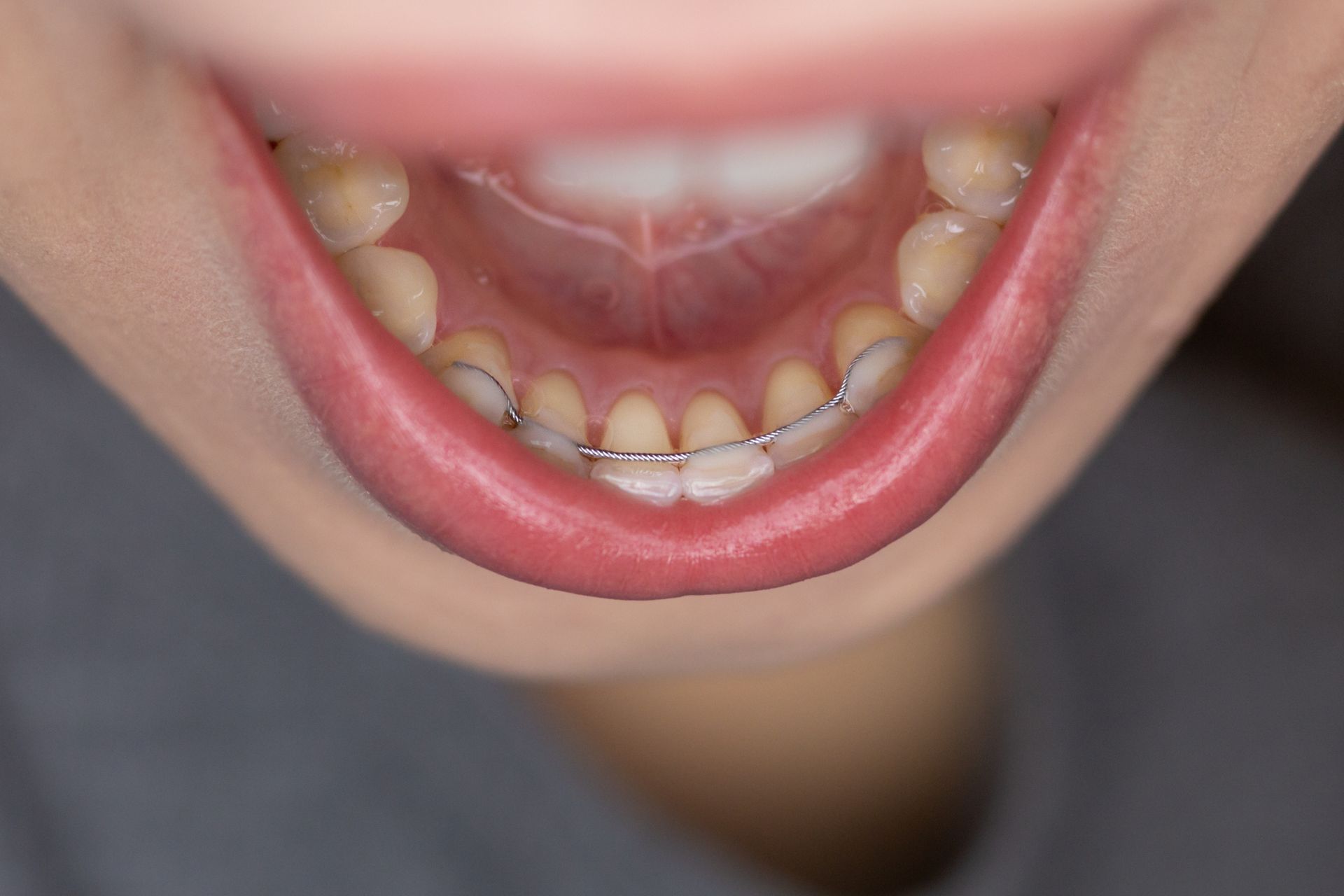
What Are Permanent Retainers?
A permanent retainer is a thin wire retainer that is bonded to the back of your teeth. Most of the time it’s placed on the lower front teeth, but in some cases, a permanent retainer on the top teeth can be recommended as well.
You might also hear a permanent retainer called a fixed retainer, bonded retainer, or a metal retainer. All of these refer to the same thing: a small custom wire that is glued to the tongue-side of your teeth so you can smile without it showing.
Now let’s distill this info into the form of a few questions:
- From the front, what does a permanent retainer look like? Pretty much invisible.
- What do permanent retainers look like from the tongue side? Like a slim metal wire following the curve of your teeth.
- What are permanent retainers made of? Usually stainless steel wire that is then bonded in place with a tooth-colored adhesive.
How Do Retainers Work?
Understanding the “how” behind the question of how do retainers work can help explain why someone might choose a permanent option.
Whether you had braces, Invisalign, or some other type of aligner, once you’ve completed treatment, the bone and ligaments around your teeth are still settling and your teeth naturally want to shift back to their original positions. A permanent retainer after braces acts like a safety bar. It holds your teeth in their ideal positions while everything stabilizes.
The reason a permanent bottom retainer (or a bonded bottom retainer) is more common on the lower front teeth is because these teeth are notorious for crowding and shifting over time.
So in short, do permanent retainers work? Yes. When they are well placed, cared for, and kept intact, they are one of the most reliable ways to make sure your smile stays looking sharp for years to come.
Benefits of Permanent Retainers
Stability of Teeth
A major benefit of permanent retainers is that they provide constant stability. Instead of relying on you remembering to wear your removable retainer every night, permanent orthodontic retainers are always operating in the background keeping your teeth locked in place.
Convenience Over Removable Options
Unlike braces, retainers are for life, which is daunting for many people. Permanent retainers can be a lifesaver for those who are forgetful or who find the task of taking a retainer in and out of their mouth every night to be too much of an inconvenience.
The removable retainer routine doesn’t work for everyone. For patients who know they won’t be consistent, a fixed retainer can be a great way to ensure their teeth don’t relapse, especially in the lower front teeth where movement is the most common.
Aesthetics and Discretion
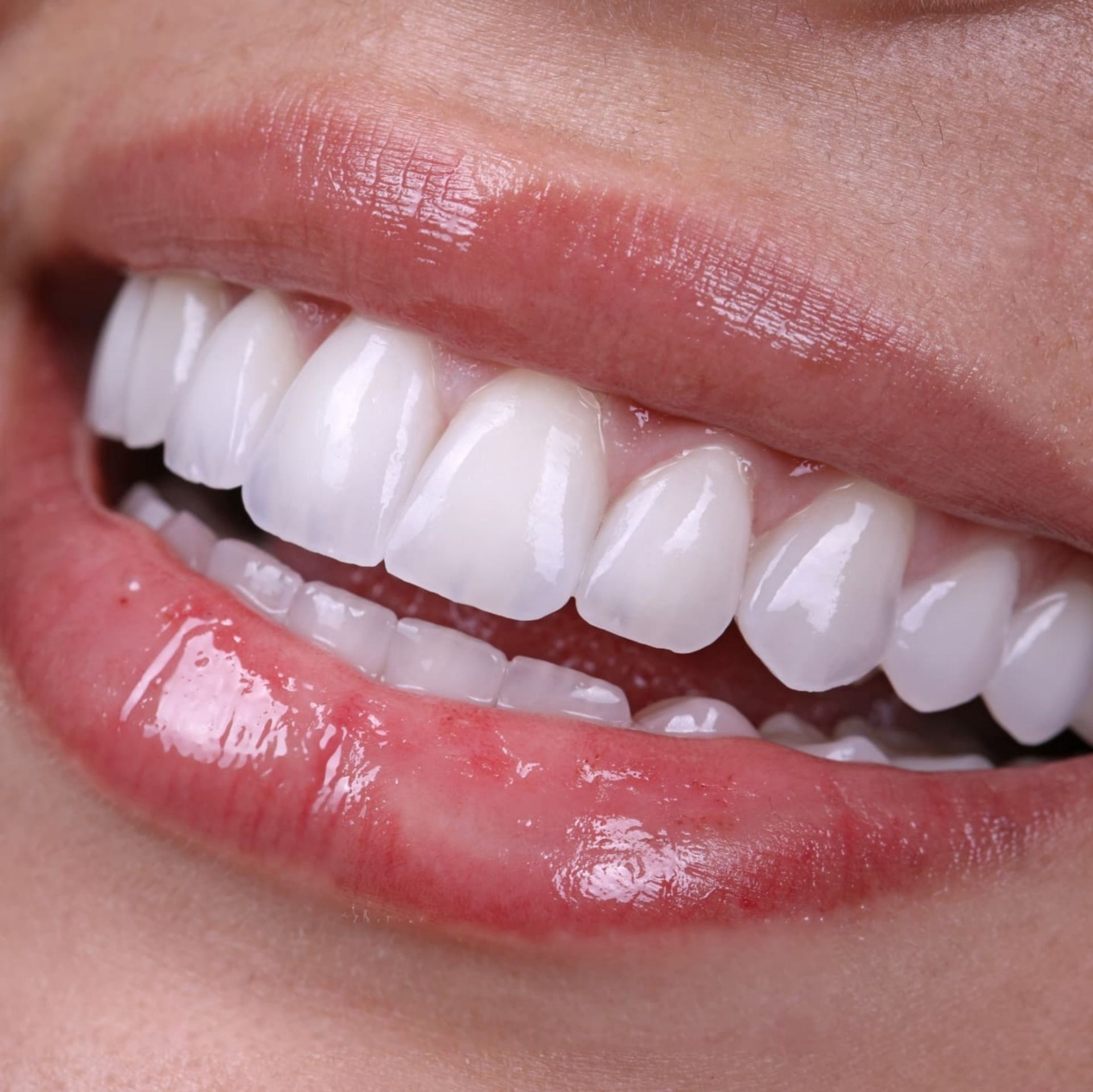
A major benefit of a permanent retainer is that it’s a very aesthetic forward option. Since the wire is glued to the back of your teeth, it’s invisible when you talk, smile or laugh. This is why some patients will also want a permanent top retainer, because you get the stability without anything showing.
Potential Drawbacks: Are Permanent Retainers Bad?
We’ve talked about all of the awesome benefits of a permanent retainer, but let’s tackle a common question head-on: are permanent retainers bad?
The short answer is no. But they do have some drawbacks. Like anything in dentistry, there are trade-offs, so let’s get right into them.
Maintenance and Cleaning
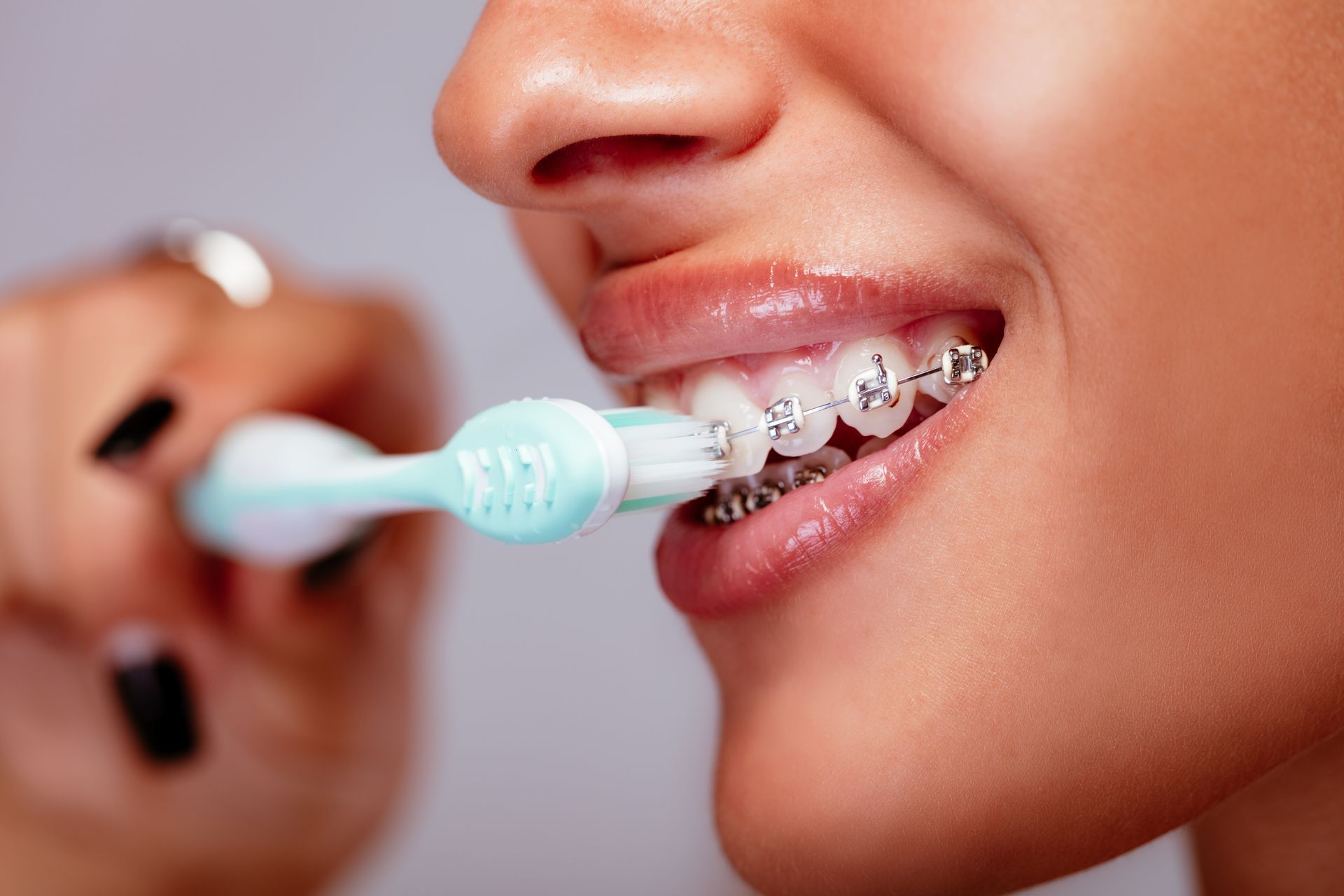
Since the wire is bonded to the back of your teeth, you can’t floss those front teeth straight up and down. Instead you’ll need to do the following:
First, you’ll have to use floss threaders or special floss that is designed to slide around your metal dental retainer. Second, you’ll need to take extra care each night to clean around the wire. And finally, you’ll need to see your hygienist regularly to watch for any tartar buildup. No skipping your visits to the dentist!
If you don’t clean well around a bonded metal retainer, plaque and tartar will build up, impacting your oral health and potentially even causing gum inflammation in that area.
Risk of Damage or Breakage
Part of the reason that a permanent retainer on the top teeth is less common is because that’s a spot that’s more difficult to protect. A permanent retainer is strong, but it’s not invincible. Biting ice, hard candy or other hard foods could potentially bend or break the wire or loosen the bonding. If this happens and you don’t notice, it could cause your teeth to shift in ways you don’t want.
This is why if your permanent retainer feels rough, “pokey,” or different than normal you should always have your orthodontist take a look to see if they need to fix or replace your permanent bottom retainer or permanent top retainer before things start to move.
This is especially true with a permanent retainer top teeth situation since those retainers are more exposed when you bite and chew.
Do Permanent Retainers Stay In Forever?
A question that a lot of people have is: do permanent retainers stay in forever?
They’re certainly constructed with the intention of lasting a long time and many can last anywhere from 10 to 20+ years. However they aren’t
literally permanent.
As long as the retainer is clean, comfortable, and doing its job, there really shouldn’t be a need to remove it. However if the wire wears out, or you and your doctor decide to switch to a removable option, rest assured your orthodontist will be able to remove it. It doesn’t have to live in your mouth forever.
Which Retainer Is Best After Braces?
There really isn’t going to be a one size fits all answer to the question of which retainer is better after braces. Ultimately, it’s up to the individual’s mouth and their personal preferences. You could even have a combination of a permanent retainer and a removable retainer. For example, a permanent retainer could protect the lower teeth, while a clear removable retainer could be used on top.
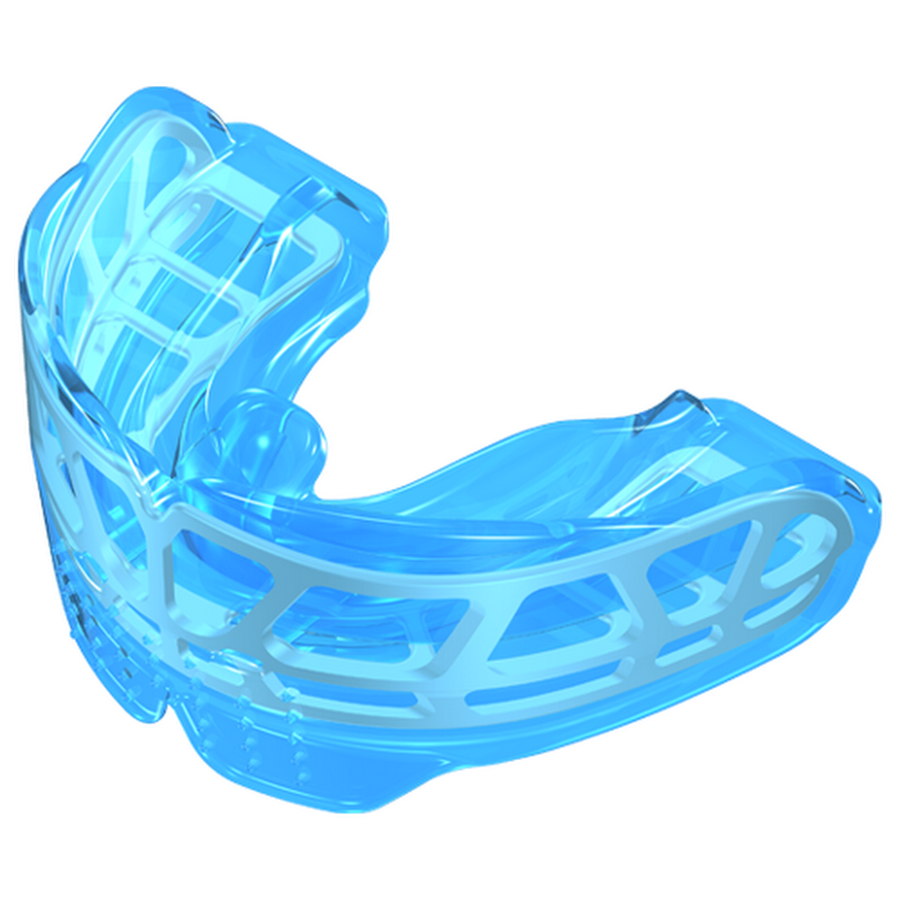
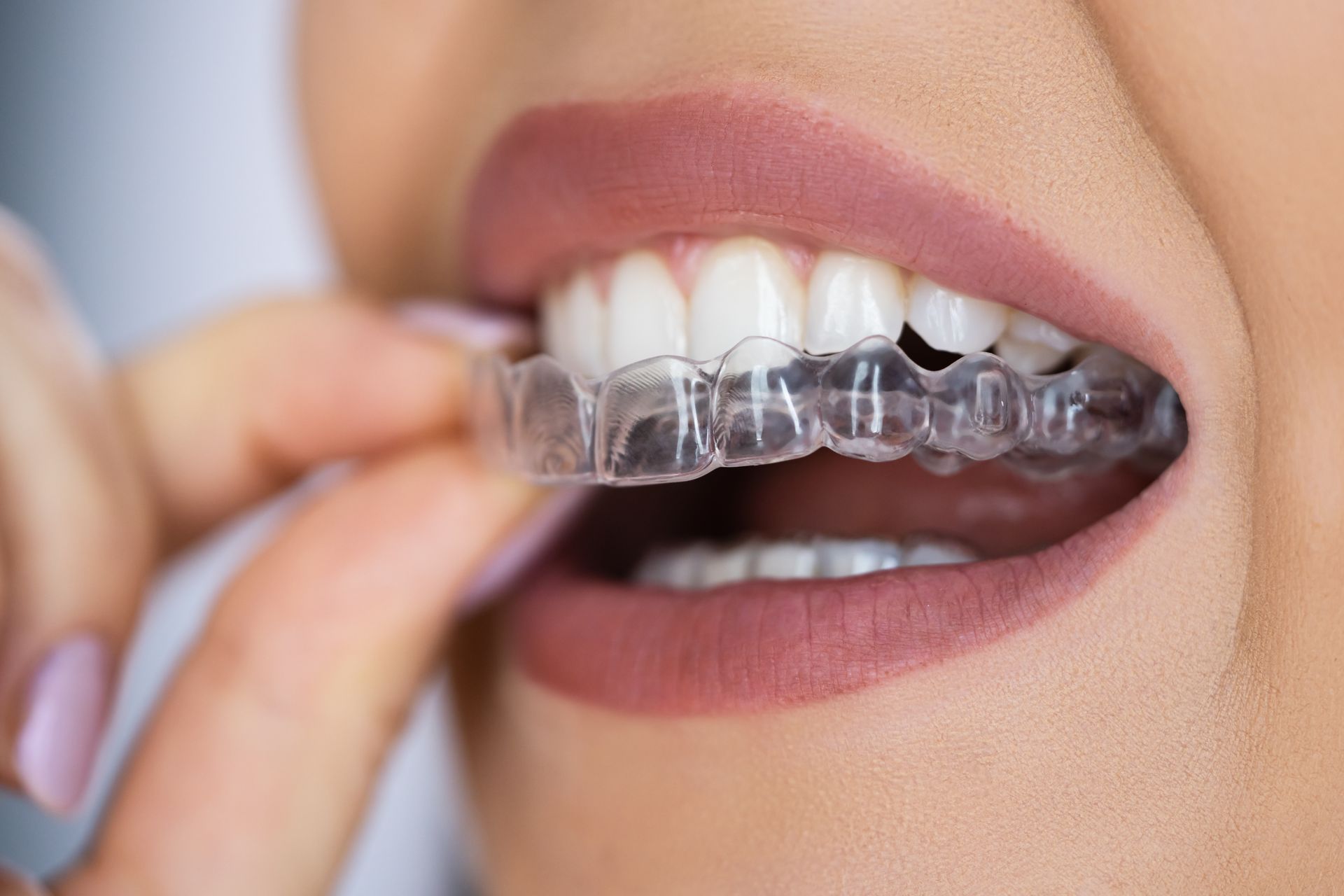
Removable retainer options like an Essix retainer or Hawley retainer might be easier to clean thoroughly and might be good for somebody who doesn’t want to have a wire retainer bonded in place. However, many patients struggle with keeping up with routines and a permanent retainer after braces is a great way to make sure their teeth don’t shift back to their original position.
Long Term Tips and Recommendations For New Users
If you’re going with a permanent retainer, there’s some things you can keep in mind in order to set yourself up for success.
- The number one thing you can do is commit to having a good hygiene routine when cleaning around your wire retainer. It’s important to brush carefully, floss with a threader daily and go to your dentist for the recommended amount of yearly cleanings.
- Make sure you avoid chewing anything hard (pens, ice, hard candy, etc.). Being careful can help you avoid damaging your metal retainer, saving yourself an unnecessary headache.
- If your retainer starts to feel loose, rough or if you notice a gap starting to form between it and your teeth then it’s important to call your orthodontist so they can take a look.
- You can always get your permanent retainer removed, but that won’t mean you’re done with retainers altogether. You’ll have to transition to a removable retainer so your teeth don’t start to drift back to where they were before you started orthodontic treatment.
Conclusion
If you’re reading this article you’ve probably wondered things like what is a permanent dental retainer and is a permanent orthodontic retainer right for me?
The truth is everyone’s situation is different. Ultimately the best way to figure out your retainer plan, whether it’s a permanent retainer, a removable retainer, or a combination of both, is to meet with an orthodontist.
So if you’re in the Phoenix area and you’re looking to protect the investment you’ve made in your smile, then schedule a visit with us today at Blacker Orthodontics. We’ll help you create a retainer plan that keeps your new and beautiful smile looking as good as it does today for years to come.