What is an Underbite and How to Treat it
Most people have heard the words overbite and underbite tossed around. And during one of these conversations, you’ve probably wondered, so “what is an underbite?” or maybe you’re even asking yourself, “wait, do I have an underbite?” Well, if answers to these questions is what you seek then sit tight, because you’re in the right place!
A lot of people with underbites don’t actually know if their underbite teeth are just a cosmetic issue or if they’re something more serious that needs to be addressed.
In this blog, we’re going to explore what causes an underbite and go over the most effective underbite treatment options, so that whether you’re curious about your own bite, or your child’s bite we can get you some clarity on how to fix an underbite.
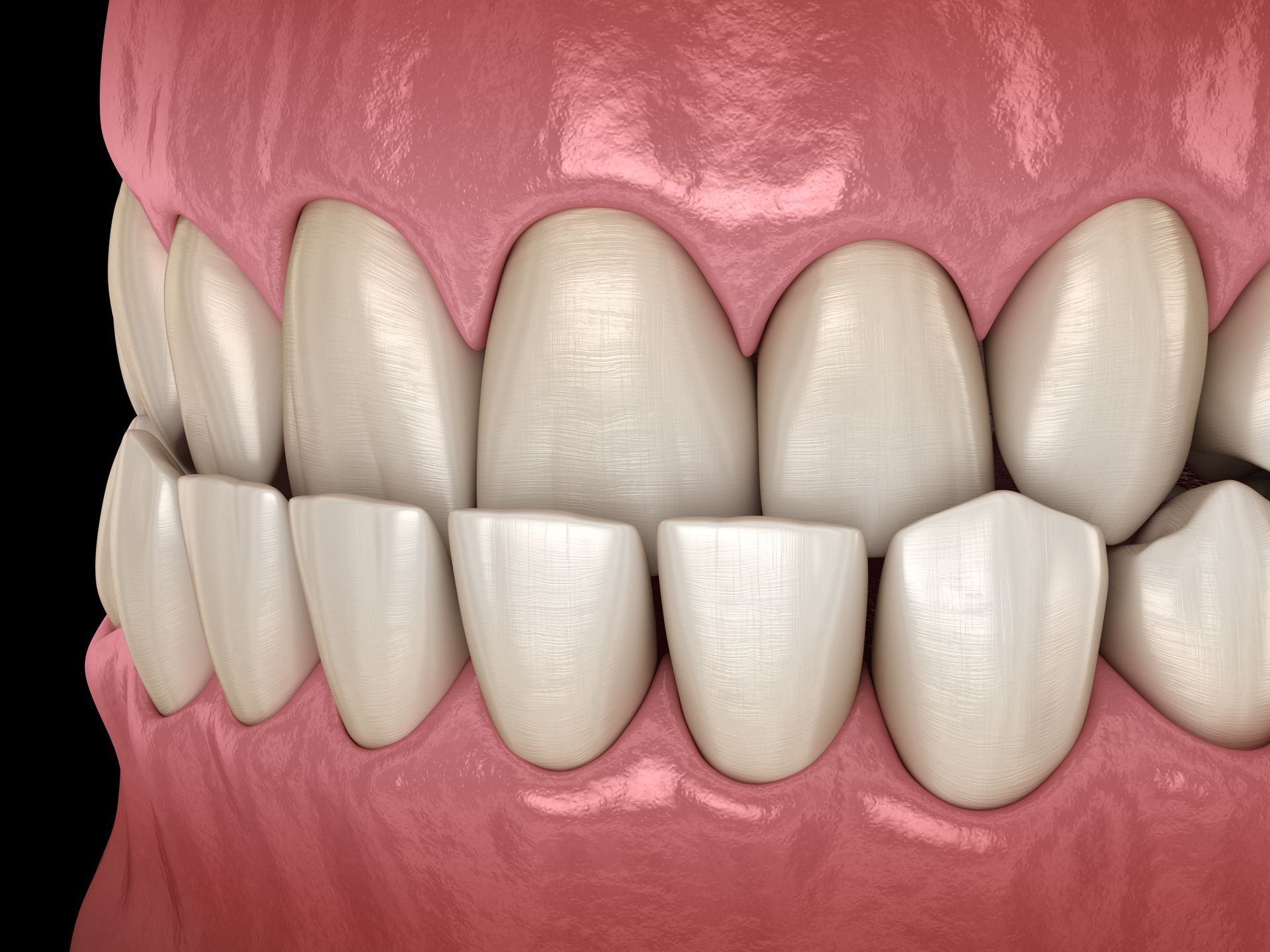
Understanding What an Underbite Is
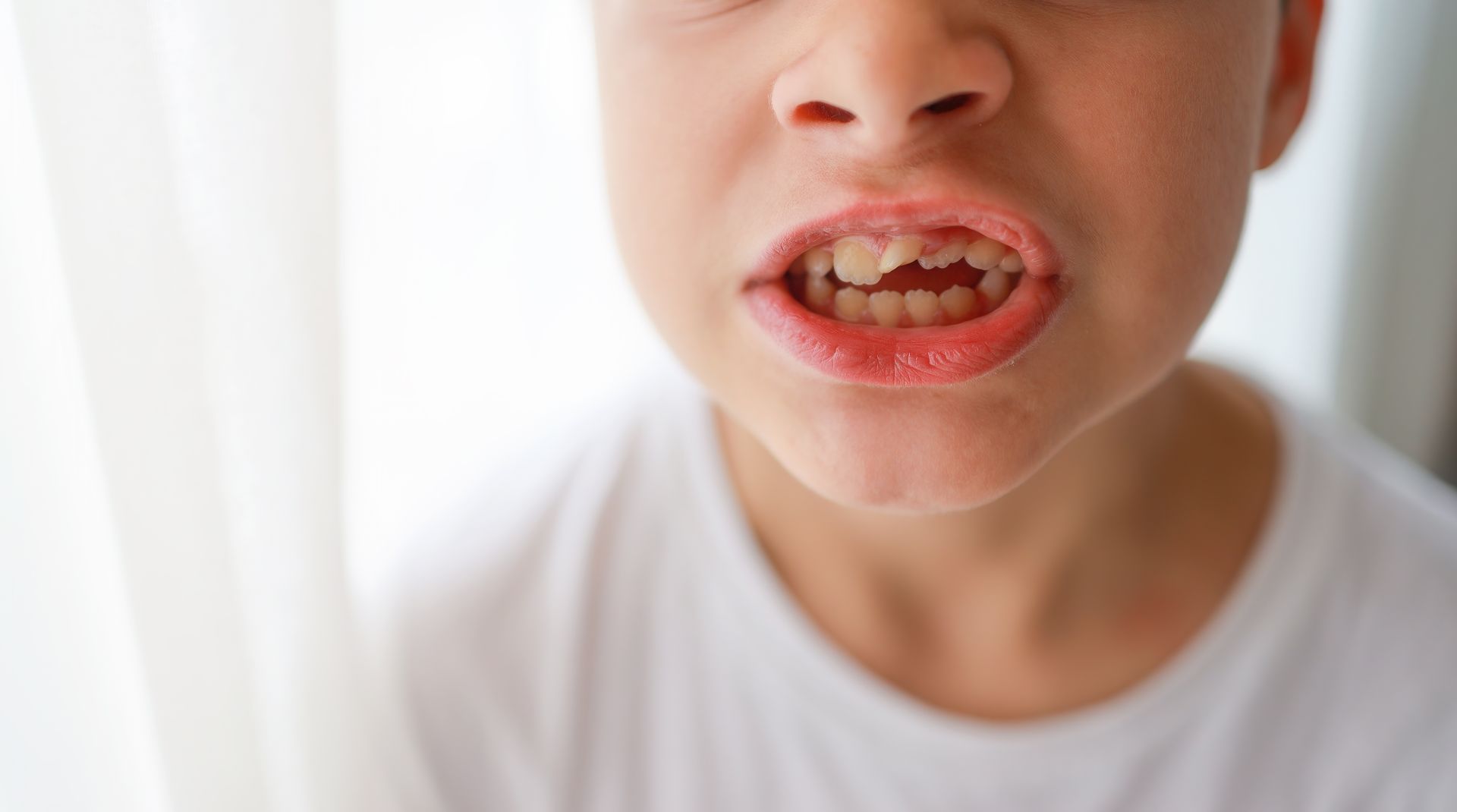
In a healthy bite, your upper front teeth sit slightly in front of your lower teeth. However, with an underbite, your lower front teeth are the ones sitting in front of your upper teeth. This can be because of the teeth, the underbite jaw, or both. For example, from the person’s profile, you might notice that they look like they have a stronger lower jaw or a more pronounced underbite chin.
All underbites are not created equal, so let’s break it down:
Mild Underbite -
the bite is off but only slightly
Severe Underbite - it’s apparent that the lower jaw and teeth are positioned in front of the upper teeth
Extreme Underbite - a very noticeable underbite where it’s affecting the person’s chewing, speech, and facial balance
Let’s say you don’t have an underbite or it’s just mild, can you develop an underbite over time? Yes, absolutely.
Growth patterns, along with certain habits and changes with your jaw structure as you get older can lead to an underbite. This is why it’s important to see an orthodontist once you notice signs of an underbite. As with everything in orthodontics, early treatment is critical.
Common Questions
What Causes an Underbite?
The most common question, and maybe even the very thing you typed into Google to find yourself here is: “what causes underbite.” Well it isn’t always a simple answer.
You see, while genetics could certainly set you up for a certain jaw structure or teeth position, certain habits and your overall environment can play a big role. Here’s a list of habits that could lead to an underbite if left un-checked:
- Long-term thumb sucking or pacifier use
- Tongue thrusting
- Chronic mouth breathing
- Early loss of baby teeth
In addition to habits, an injury or trauma to the jaw can also affect how the teeth and jaw function together.
Are Underbites Genetic?
So, when is an underbite caused by genetics? Is an underbite hereditary? Many times the answer is yes, at least partially.
Basically, the size and the position of your teeth and jaws are very strongly influenced by your genetics. However, as we showcased above, it doesn’t tell the whole story.
When you boil it down, an underbite usually happens when one of the following happens:
- the lower jaw grows more than it’s supposed to
- the upper jaw doesn’t grow enough
- the teeth erupt in a way that pushes the lower teeth forward
Ultimately, the answer to the question of “are underbites genetic?” is nuanced, because environmental factors do play a role.
Is an Underbite Bad For You?
Many people that have underbites wonder “is my underbite bad, or just cosmetic?”
The answer to that question depends on how your teeth are working together. However, an underbite can certainly lead to some problematic health issues. For example, you could get extra wear and chipping on certain underbite teeth, you could have difficulty biting certain foods, or you could experience jaw pain or tension that could lead to headaches and facial soreness. There is also a strong connection between TMJ and underbite cases. Even a mild underbite can create small issues that have compounding effects as father time takes its toll.
This is why even if you aren’t experiencing the problems of a severe underbite or extreme underbite yet, you should still get a consultation from an orthodontist.
Treatment Options: How to Fix an Underbite?
Now that we have a good grasp on the causes associated with underbites, let’s get to the good stuff: how to fix underbite issues and do so in a way that actually works and improves your life long term.
The right underbite treatment comes down to factors like your age, how your jaws are growing, and how extreme the underbite is.
Underbite correction usually falls within two categories:
- Non-surgical: orthodontics and appliances
- Surgical: jaw surgery combined with orthodontics
Which bucket your case falls under will be dependent on your individual situation. That’s where we come in. As orthodontists, it’s our job to help you understand how to treat underbite issues and find an underbite treatment option that makes sense for your specific situation.
Non-Surgical Underbite Correction
For many kids and teens, and some adults, a non surgical underbite correction is definitely possible.
So what are the main approaches for underbite correction without surgery?
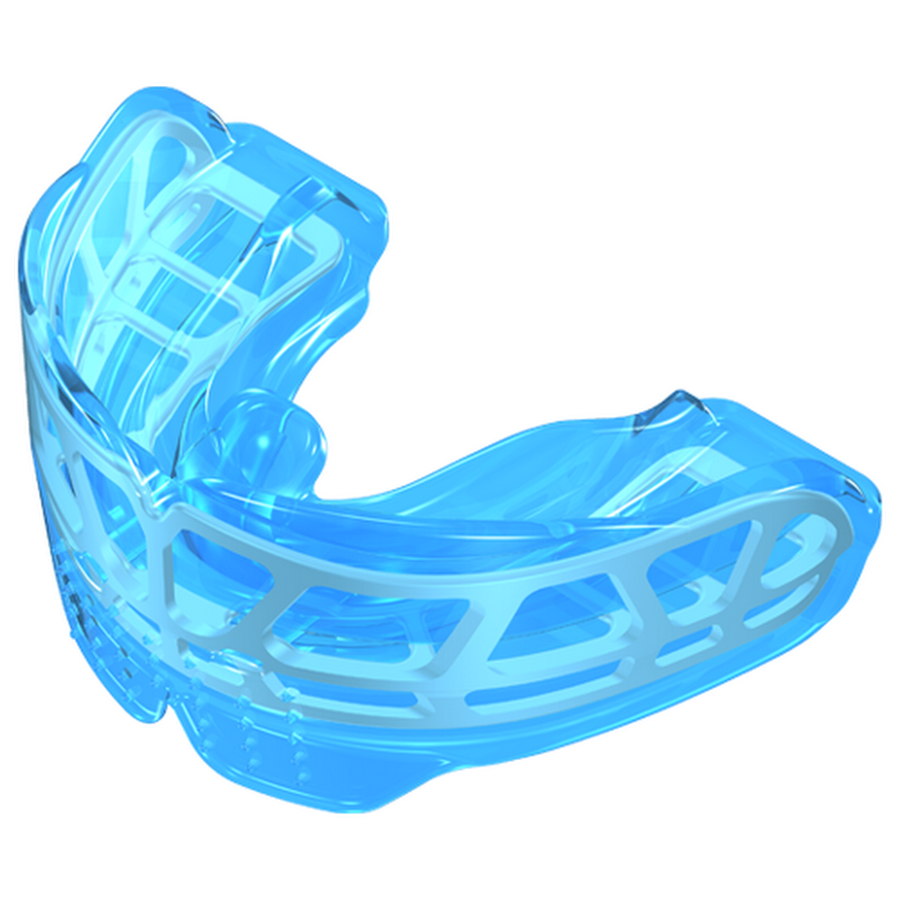
One approach is using growth-guiding appliances. As a child's jaws naturally develop, these appliances help guide them into proper alignment. This approach highlights the importance of getting your child to an orthodontist for an early evaluation, because growth-guiding appliances rely on identifying jaw issues early when your child is still in their developmental window.
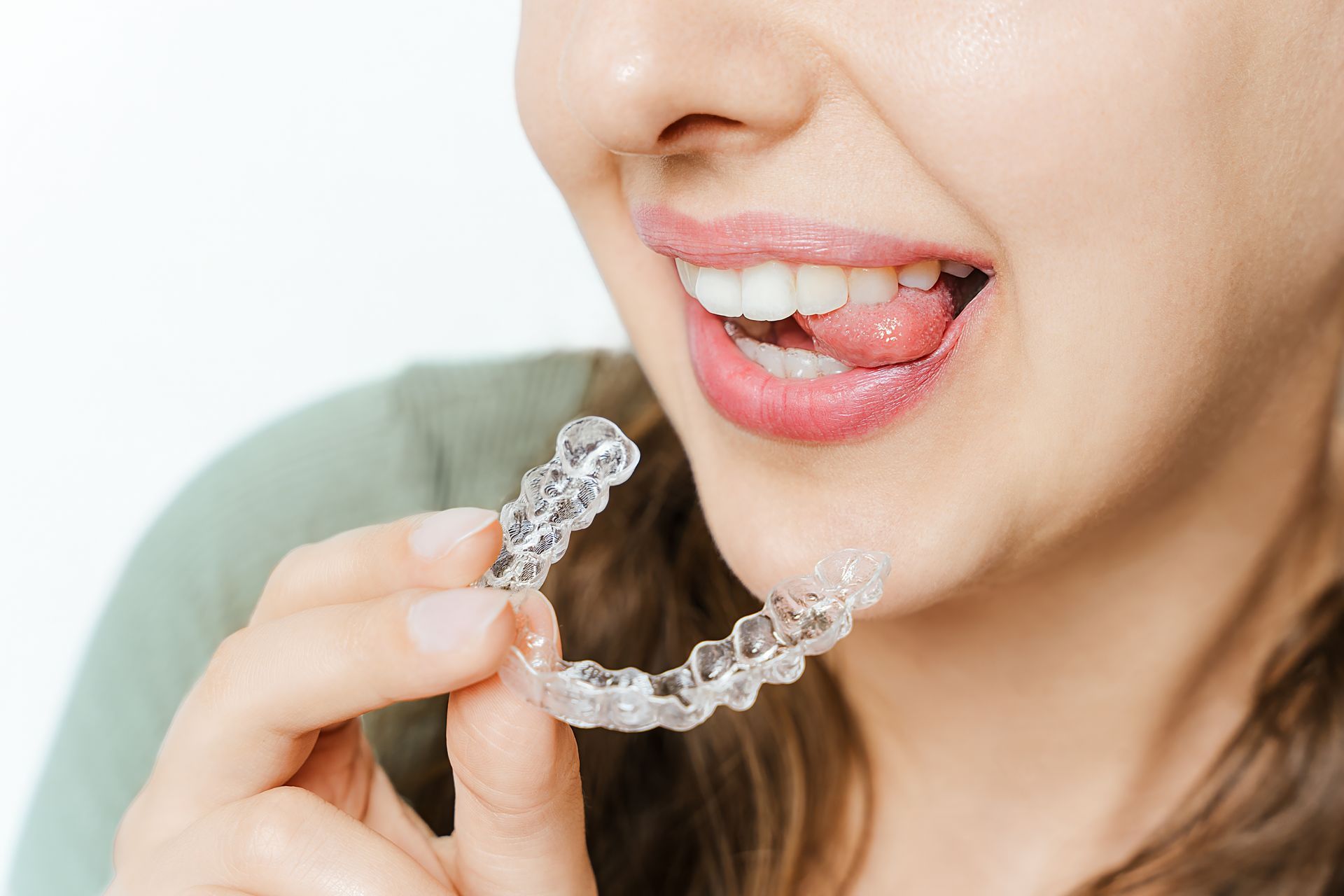
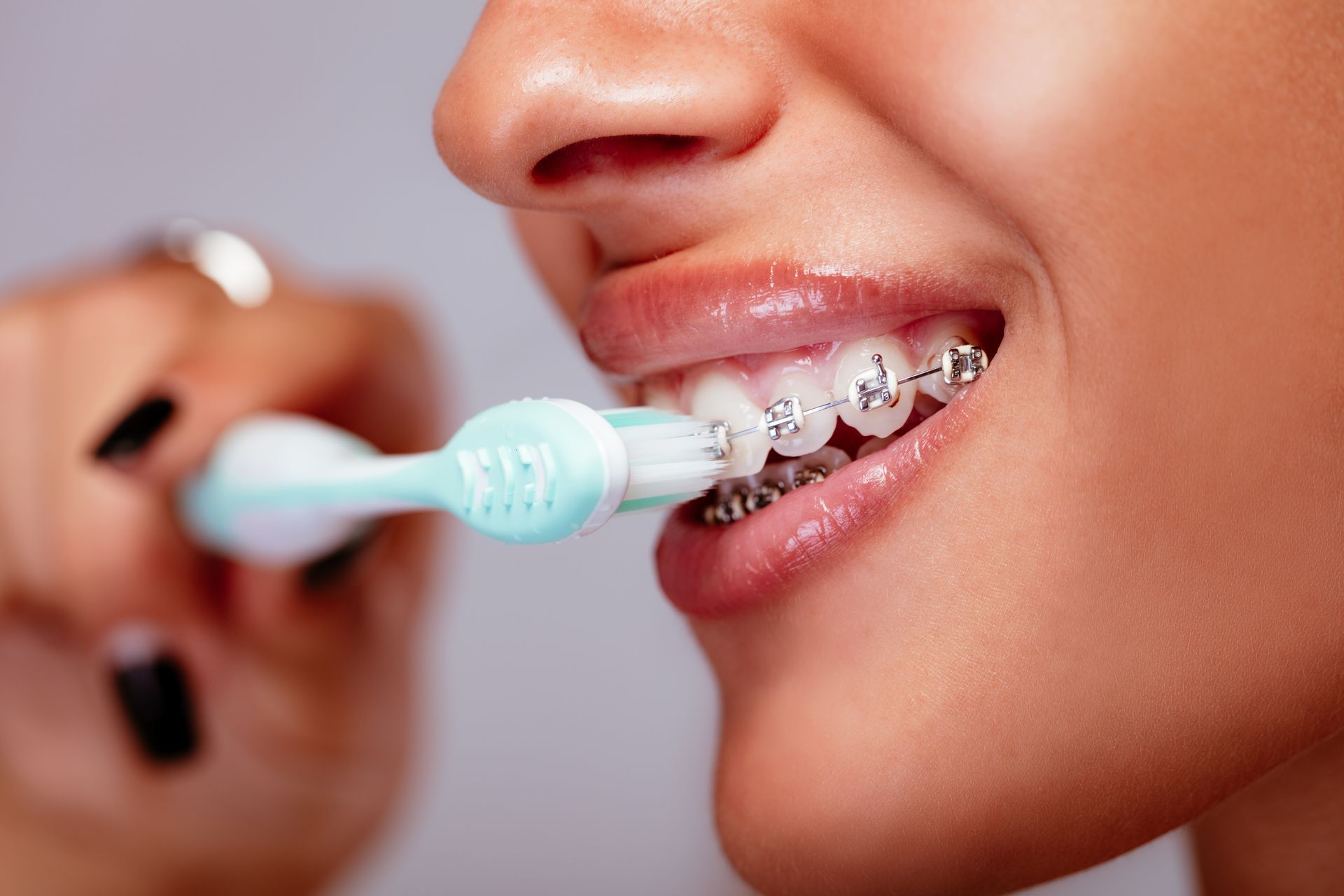
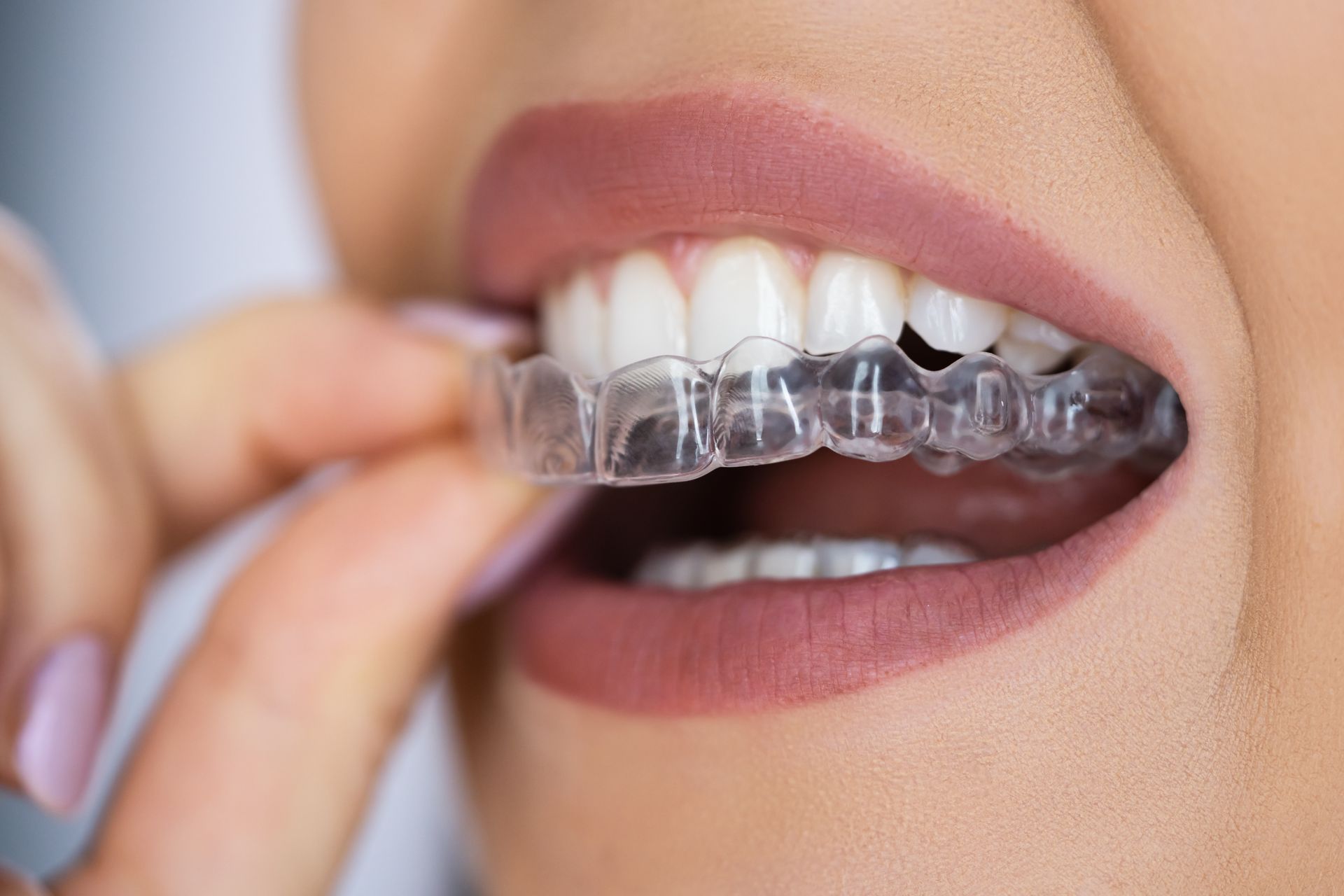
Braces or clear aligners like Invisalign can also be used to correct underbites when the issue is mostly tied to teeth positioning. With this method, small and gradual changes move the upper and lower teeth into positions where they fit together properly.
So, can you fix an underbite without surgery? It obviously depends, but in many cases you can, especially when you identify the issue early. When you catch something early, you can act early, which leads to simpler future treatment with better outcomes.
How to Fix Underbite in Adults
Correcting an underbite of an adult is different from correcting an underbite of a child, because an adult’s bones are done growing. Now, you might have gotten to this page by searching something like how to fix underbite in adults or how to cure underbite, and you might be concerned that you’re “too old” for treatment.
But we’re here to tell you that you’re not too old. While growth-guiding appliances won’t be an option for adults, braces and aligners still are. And if orthodontics alone won’t be able to get the job done, then a combination of orthodontics and jaw surgery can help correct your bite, giving you back critical function.
Surgical Underbite Operation
For severe underbites or extreme underbites, where the lower jaw is significantly positioned in front of the upper jaw, surgery may be required to bring the jaws back into alignment. In this case, your orthodontist and oral surgeon will work closely together to come up with the most effective treatment plan. Usually orthodontics will be used before surgery in order to align your teeth. Then again post-surgery in order to put the finishing touches on your treatment.
Jaw surgery can be a life changing procedure for the right candidate. When an underbite is impacting a person’s ability to chew, speak, and breath, jaw surgery can be a way to get back those critical daily functions. The goal of an underbite operation is to make your bite healthier and more comfortable, bringing your jaws into a balance that’s stable in the long-term.
In Summary: How Can You Fix an Underbite?
So, in summary, how can you fix an underbite? Let’s take a moment to break it down in simple terms.
For children: This is the best time to identify and treat an underbite, because teeth, jaws and bones are still developing. Growth can be guided using non-surgical methods like growth-guiding appliances and braces/ aligners.
For teens:
Treatment depends on growth status. If the jaw is still developing then growth-guiding appliances can still be used. But if growth has nearly finished, braces or aligners might be more effective. In more severe cases, jaw surgery may be required.
For adults: Even though your bones are done growing, you still have options if you’re suffering from an underbite. For cases where teeth position is a major factor, braces or clear aligners can be used for underbite correction without surgery. In cases that are mainly jaw-based, an underbite operation might be necessary to bring your jaws into proper alignment.
Conclusion
Underbites can create problems ranging from uneven tooth wear to difficulty speaking, chewing, and even breathing. The important thing to know is that if you or your child has an underbite, and it’s impacting daily life in any way, there is a path forward.
There’s a wide range of different underbite treatment options out there from non surgical underbite correction to more advanced approaches, it’s simply a matter of figuring out which one makes sense for your specific case.
The first step to underbite correction is setting up a consultation with an orthodontist so they can diagnose the cause of your underbite, and determine the most effective way to treat it. If you’ve been searching things on the internet like “how to fix underbite” or have been wondering if underbite correction without surgery is possible, then an appointment with an orthodontist is going to be the best way to get the answers you need.
If you’re in the Phoenix area and looking for a trusted orthodontist to help you or your child take this first step, then schedule an appointment with us at Blacker Orthodontics. We’ll walk you through your options and figure out a treatment plan that truly fits your goals and lifestyle.