Top Tips for Brushing with Braces
Welcome to the life of braces! If you find yourself reading this blog there’s a good chance you just got braces, are going to be getting braces soon, or are a parent of a child who’s embarking on their braces journey.
And odds are, it’s crossed your mind that cleaning teeth is a little bit different with a system of brackets and wires attached to your teeth. We won’t lie, it’s definitely an adjustment, but with the right tools and knowledge, you’ll be in a great spot to be able to keep your teeth healthy and clean during treatment.
Getting the right dental braces toothbrush is one of the most important pieces of the oral hygiene puzzle when it comes to braces. This is why we’re going to do a deep dive into the world of toothbrushes to help you find the best toothbrush for braces, while also giving you some tips along the way of how to keep your teeth so fresh and so clean.
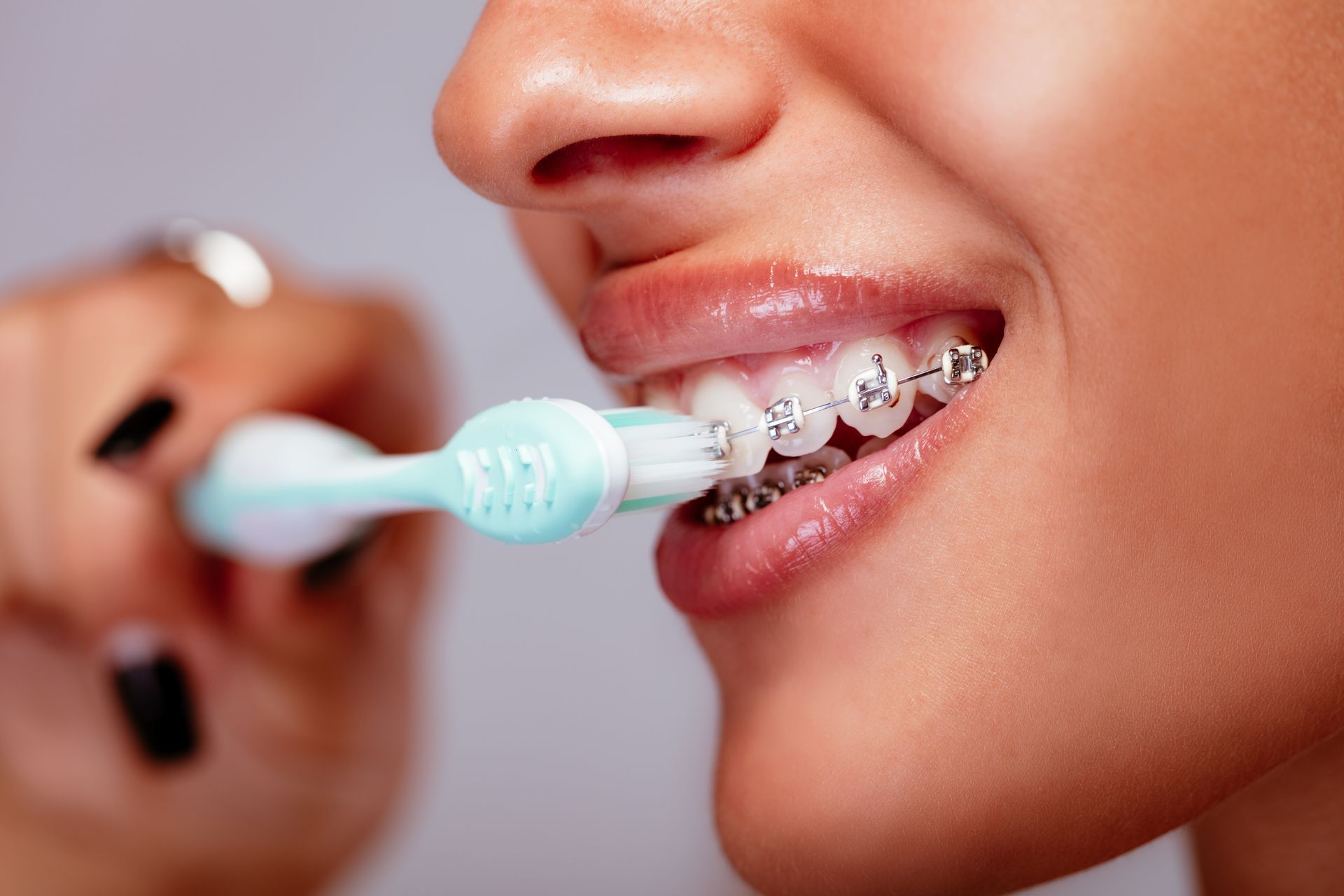
Why Proper Oral Hygiene with Braces is Important
Braces are an effective way to bring long-term health and stability to your mouth. However, in the short-term, they can create some real challenges for maintaining your oral health.
Braces are made up of brackets and wire, which create lots of small spaces for plaque and food debris to accumulate. If you don't have the proper knowledge, or don't commit to taking good care of your teeth while having braces, then real problems can arise. For example, you could start experiencing things like gum inflammation, cavities, or what orthodontists call “white spot lesions,” which are permanent marks that appear on the teeth after your braces are removed.
However, there’s really no reason to panic. There are lots of ways to make sure you’re staying on top of your oral health game, so that when the braces come off, your smile is straight and your teeth and gums are healthy.
One of the keys is using the right toothbrush for braces. Pair the right tool with good technique and a good routine, and you’re in a great spot for keeping your mouth healthy and looking good during treatment.
Selecting the Right Toothbrush for Braces
A lot of patients ask the same thing: what type of toothbrush is best for braces?
There isn’t necessarily one brand that’s better than the other, but there are features and characteristics that tend to define a good toothbrush for braces.
For example, a soft bristle toothbrush for braces is great because the soft, flexible bristles allow for you to gently clean around the brackets and wires without causing any damage. It also helps reduce gum irritation.
Something else to look for is a toothbrush recommended for braces that has a small head. This is because braces take up space in your mouth, which can make it harder to move a toothbrush around. Having a smaller toothbrush head can make it easier to get to those tight and hard to reach spaces where food debris loves to hide.
There’s also such a thing as an orthodontic toothbrush where the bristles of the toothbrush are in a V-shape (shorter in the center and progressively longer toward the edges). This design helps with cleaning between the brackets and wires while still being able to get down to your tooth. If you type into Google orthodontic braces toothbrush, orthodontic brush or ortho toothbrush for braces, you’ll get a bunch of good options to choose from.
So let’s review what makes for a good toothbrush for braces:
- Soft bristles
- Smaller toothbrush head
- V-shaped bristles
Understanding these “best toothbrush for braces features” can make a big difference in helping you decide which toothbrush is best for you and your needs.
At the end of the day, it all comes down to choosing a dental braces toothbrush that allows you to comfortably clean every surface of your teeth and braces without needing to apply a bunch of pressure, which could risk damage to your braces or irritation to your teeth and gums.
Manual vs Electric Toothbrush for Braces
In addition to questions about what makes a good toothbrush for braces, we also get a lot of people wondering about whether a manual toothbrush or an electric toothbrush is better.
The answer is either can work well, and it matters more about being consistent with your brushing habits and using proper technique. That being said, let’s explore the differences and see why someone might choose one method over the other.
Manual Toothbrushes for Braces
A manual toothbrush can absolutely do the trick, and there’s plenty of people who use one while having braces. Many patients prefer the feel of them, because that’s what they’re used to. There’s certainly something to be said for using a toothbrush that you know how to use effectively. They’re also simple, affordable, and easy to replace.
If you’re choosing a manual toothbrush, it’s important to keep in mind the things that we discussed in the earlier section, like finding a toothbrush with soft bristles, a compact head, and a design that allows you to clean easily and comfortably around the brackets and wires, such as the V-shaped bristles of an orthodontic toothbrush.
Another helpful tool that falls under the category of manual toothbrushes is a little toothbrush for braces, known as an interdental brush. This small brush allows you to reach underneath wires and brackets in a way that isn’t possible with a standard toothbrush. Honestly a great addition even if you go with an electric toothbrush.
Electric Toothbrushes for Braces
We’ve already alluded to the fact that the answer is yes, but a common question we get is, can you use an electric toothbrush with braces?
Not only can you, but in many cases, they’re actually encouraged. A good electric toothbrush for braces is great at removing plaque, as the vibrations and oscillating brush head do a great job of cleaning away plaque without needing to apply too much pressure.
Parents will also often look for the best electric toothbrush for kids with braces, because some younger patients might struggle with brushing technique, and the electric toothbrush can make brushing easier and more effective.
A lot of people get wrapped up in what’s the best and most recommended electric toothbrush for braces, or want to know how to buy the best electric toothbrush for braces, but the reality is that a good electric toothbrush is one that you feel comfortable using, and are able to effectively fit into your routine. Outside of making sure they use soft bristles and a smaller brush head, it can often come down to personal preference.
For example, some people like an Oral B orthodontic braces toothbrush while others are partial to Philips Sonicare. Ultimately, the best electric toothbrush for people with braces is the one that makes sure you’re consistently brushing and makes it easier for you to clean thoroughly around your wires and brackets.
How to Brush Your Teeth with Braces
So how exactly do you brush your teeth with braces? After all, technique is just as important, if not more important, as finding the best orthodontic toothbrush for braces.
First, how often should you brush? Aim for at least twice per day, but ideally brush after every meal whenever possible.
Here’s a step by step process on how to brush:
- Start by rinsing your mouth with water to dislodge any food debris trapped in and around your braces.
- Gently brush along the gumline.
- Brush above, below, and on the sides of each bracket, making sure you clean around the wires and edges of each one. Also, make sure your bristles are reaching the tooth, so the exposed surface of your tooth around each bracket is getting cleaned.
- Then brush the chewing surfaces of your teeth along with the back side of your teeth.
Make sure you brush for at least two minutes, taking extra care to clean every piece of your teeth, brackets, and wires.
Additional Tools for Braces Care
In addition to a toothbrush for braces, tools like floss threaders, water flossers, and interdental brushes can be extremely helpful for removing debris and making sure plaque doesn’t build up.
Interdental Brush: a small brush that helps clean the hard to reach spots of your brackets and wires.
Floss Threaders:
allows you to remove plaque and debris between your teeth, keeping up your flossing routine even with wires that impede your ability to effectively use traditional floss methods.
Water Flossers: a steady stream of water flushes out food particles and plaque around brackets and between teeth. These are a great addition for keeping your braces clean.
Conclusion
It can definitely be an adjustment learning how to best take care of your oral health during braces treatment. However, once you’ve figured it out, it quickly becomes second nature.
Choosing the right dental braces toothbrush, brushing consistently (at least 2x per day and ideally after every meal), and using helpful tools like interdental brushes, floss threaders, and water flossers, are all things that can put you on the right path for keeping plaque buildup at bay, and protecting your teeth and gums throughout treatment.
So let’s review: what’s the best toothbrush for braces? A soft bristle toothbrush for braces with a small brush head, and bristles in a V-shape is a great place to start. Ultimately, the most important thing is that you feel comfortable using the toothbrush. So whether you choose a manual brush or a good electric toothbrush for braces, make sure you are able to comfortably use it to reach all parts of your mouth, and effectively clean around brackets and wires.
If you have any questions about the best way to maintain your oral hygiene during orthodontic treatment, or you or your child are looking to start braces treatment, give our Blacker Orthodontics team a call. We’re happy to answer any questions you have, big or small, and help get you on the path to a healthier smile!